
A single tea house in Ashland, Oregon. We formed the company, built the brand, and ran the operating layer that turned it into a national direct-to-consumer presence. We invented its first-to-market biodegradable teabag and built the distribution that placed Dragon Gongfu teas as a specialty line through one of the country's leading coffee manufacturers.
Dragon Gongfu was a specialty puer tea company that began as a single tea house in Ashland, Oregon and grew into a national direct-to-consumer brand. We formed the company itself — LLC, bank accounts, operating agreement — and built the brand, the packaging system, the e-commerce platform, the advertising machine, the fulfillment operations, and the vendor and distribution relationships behind it. The founder did what only the founder could do: selecting teas, building tea-sourcing relationships in China, developing distribution partnerships with other tea houses. Keeks did everything else.
- Company Formation
- Brand & Logo
- Website Design & Development
- Product Design & Packaging
- Product Invention
- Product Management
- E-commerce Platform
- Marketing & Advertising
- Vendor Management & Sourcing
- Fulfillment Operations
- Distribution Partnership Development
The Engagement
Dragon Gongfu was a single tea house in Ashland, Oregon when we joined — a passion project the founder ran out of one location, with the ambition to grow it into a national brand. The engagement began with the work most agencies never touch: we formed the LLC that became the company, opened the bank accounts, and wrote the operating agreement. The legal entity Dragon Gongfu would operate under came into existence inside the partnership.
From there, the engagement built outward. Brand creation came next — logo, packaging system, website, the visual and verbal identity the company would carry. As the business started growing into direct-to-consumer distribution, the engagement expanded to cover the operational layer of a D2C company: vendor management, fulfillment operations, e-commerce platform management, advertising, product development, and the distribution-partnership work that placed Dragon Gongfu teas into specialty channels.
The division of labor was clean. The founder selected the teas, built tea-sourcing relationships in China, and developed tea-house distribution partnerships — the artisan and relationship work no one else could do. Everything else, including the tin and packaging sourcing relationships in China for materials we'd designed, ran through the partnership.


What We Ran
Company formation and corporate infrastructureLLC formation, operating agreement, bank accounts, and the corporate scaffolding the company operated on. The work most embedded operating partners would never touch — but the company couldn't exist without it, and the founder needed someone running it.
Product & PackagingProduct design and packaging design across the tea and elixir lines. Product management across the portfolio — SKU planning, lifecycle decisions, packaging refreshes. Product development for new releases as the founder identified new teas to bring to market, and the invention of two products: a first-to-market biodegradable teabag, and an instant water-soluble tea packet that was in active development at the time the company closed. Both covered in chapter 04
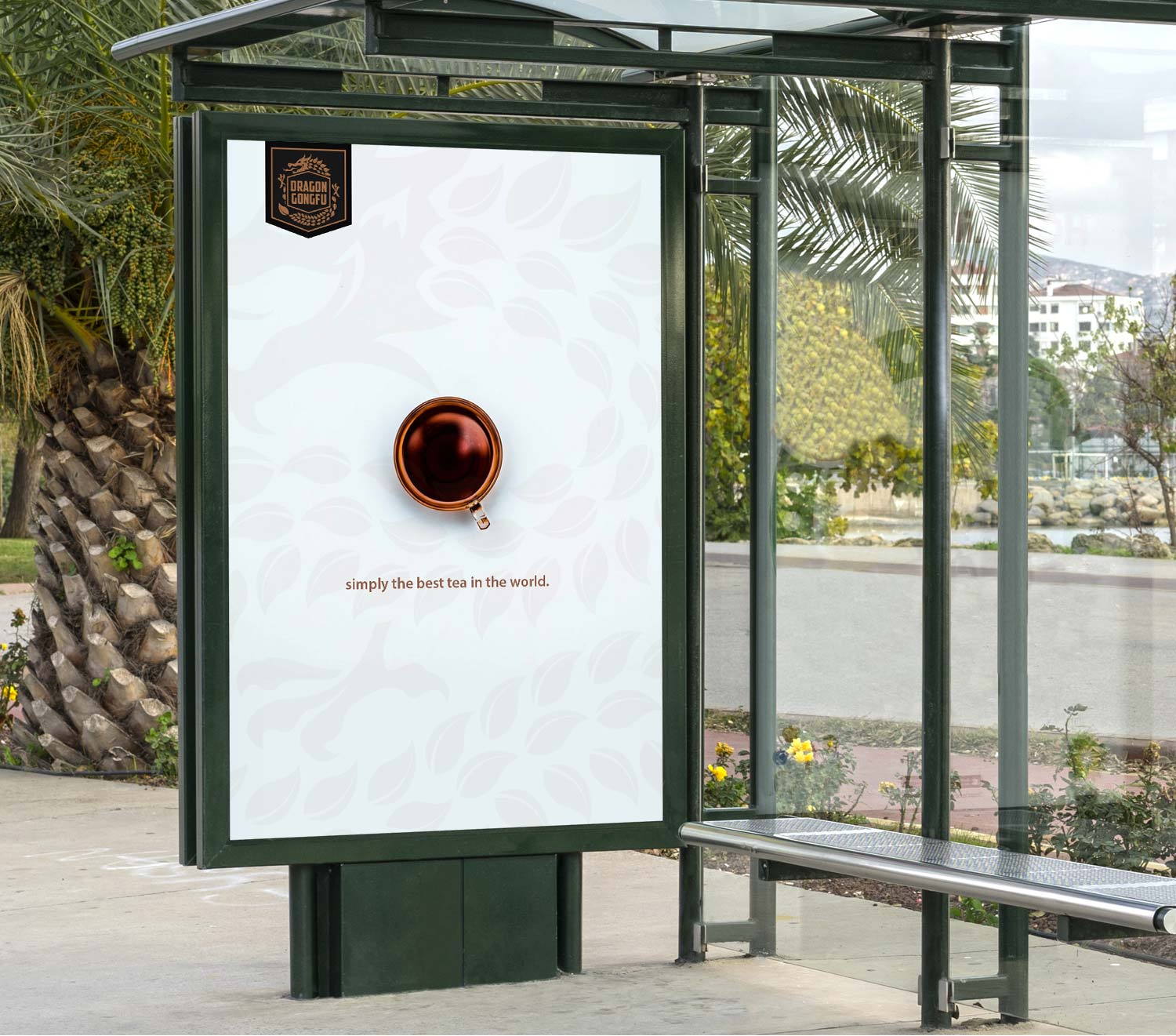
Brand and marketing The brand we built carried every customer surface. Marketing and advertising ran across paid and owned channels at sustained cadence. Creative production for campaigns, seasonal launches, and ongoing brand expression came off our desks.
E-commerce platformThe direct-to-consumer site was the company's primary sales channel. We ran the platform — site, store, checkout, customer experience, the catalog architecture as the product line expanded.
Vendor and fulfillment operations Vendor relationships with packaging manufacturers, tin producers in China (described in chapter 03), label printers, ingredient sourcing for elixirs, fulfillment providers, and the operational network behind a physical product. Day-to-day fulfillment: order management, fulfillment-provider coordination, returns, customer service exceptions.
Distribution and CEO-level relationships As the brand grew, distribution opportunities required CEO-level engagement that the founder couldn't run alongside the rest of the company. We built and ran those relationships. The most significant was a direct collaboration with the CEO of one of the country's leading coffee manufacturers, which placed Dragon Gongfu teas as a specialty line through their national distribution.
What the founder kept: tea selection and blending, China sourcing relationships for the teas themselves, and tea-house distribution partnerships. Everything else, we ran.
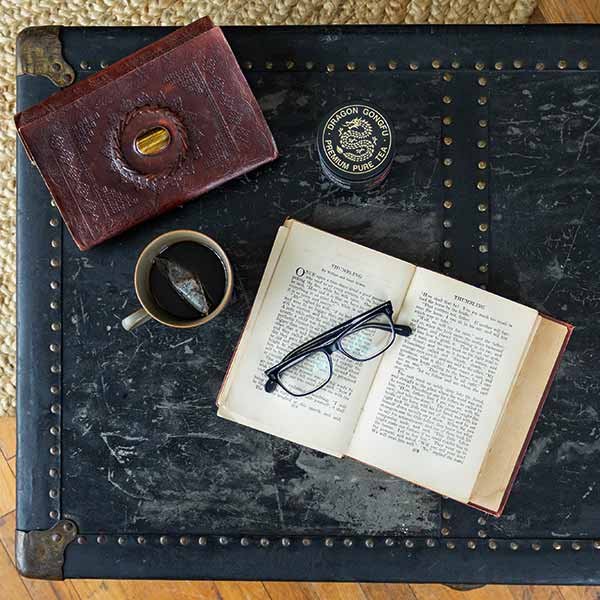
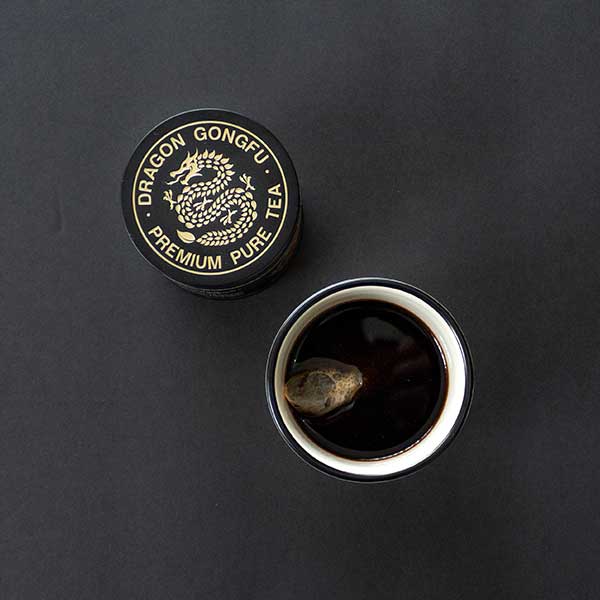
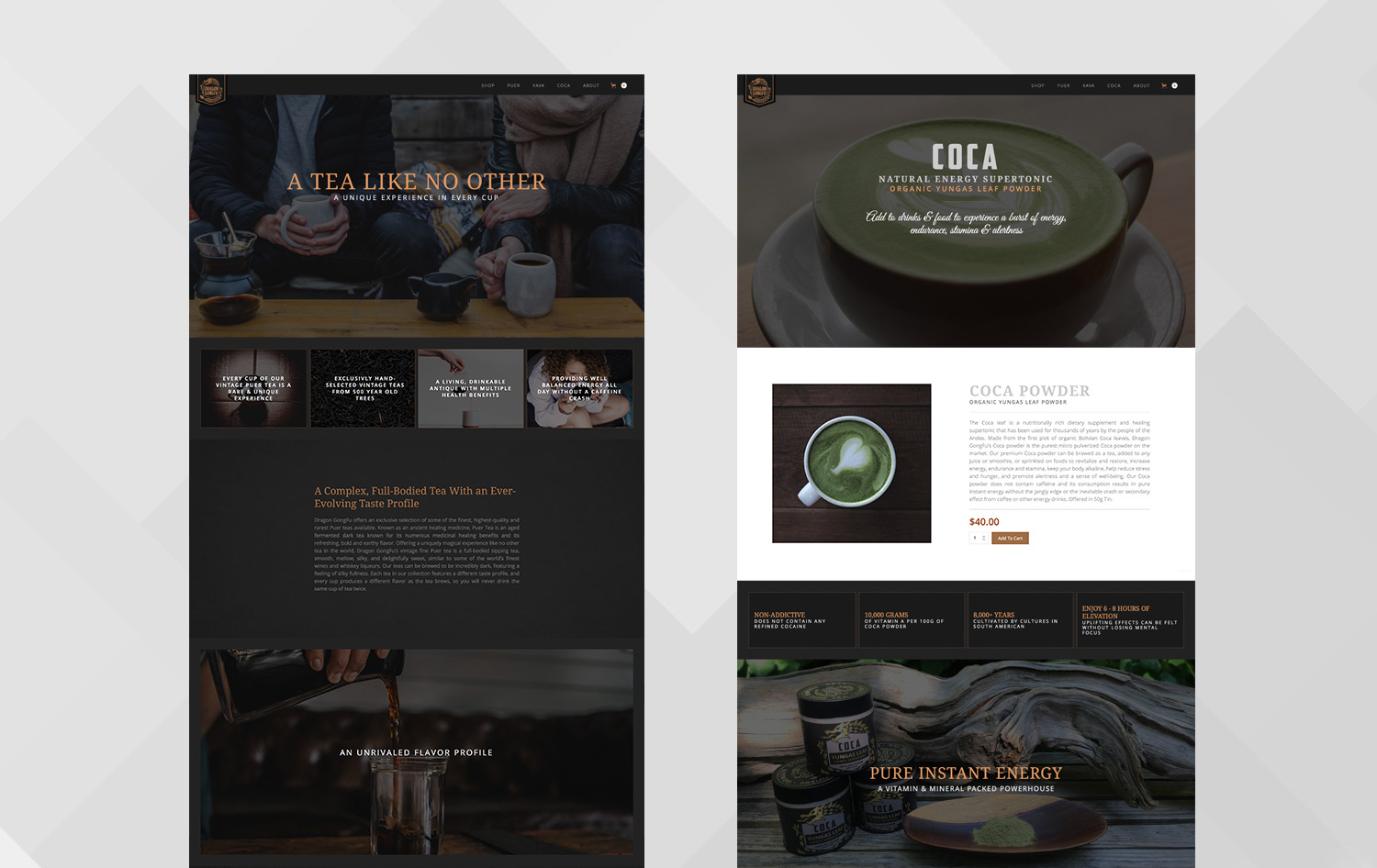
Brand & Creative
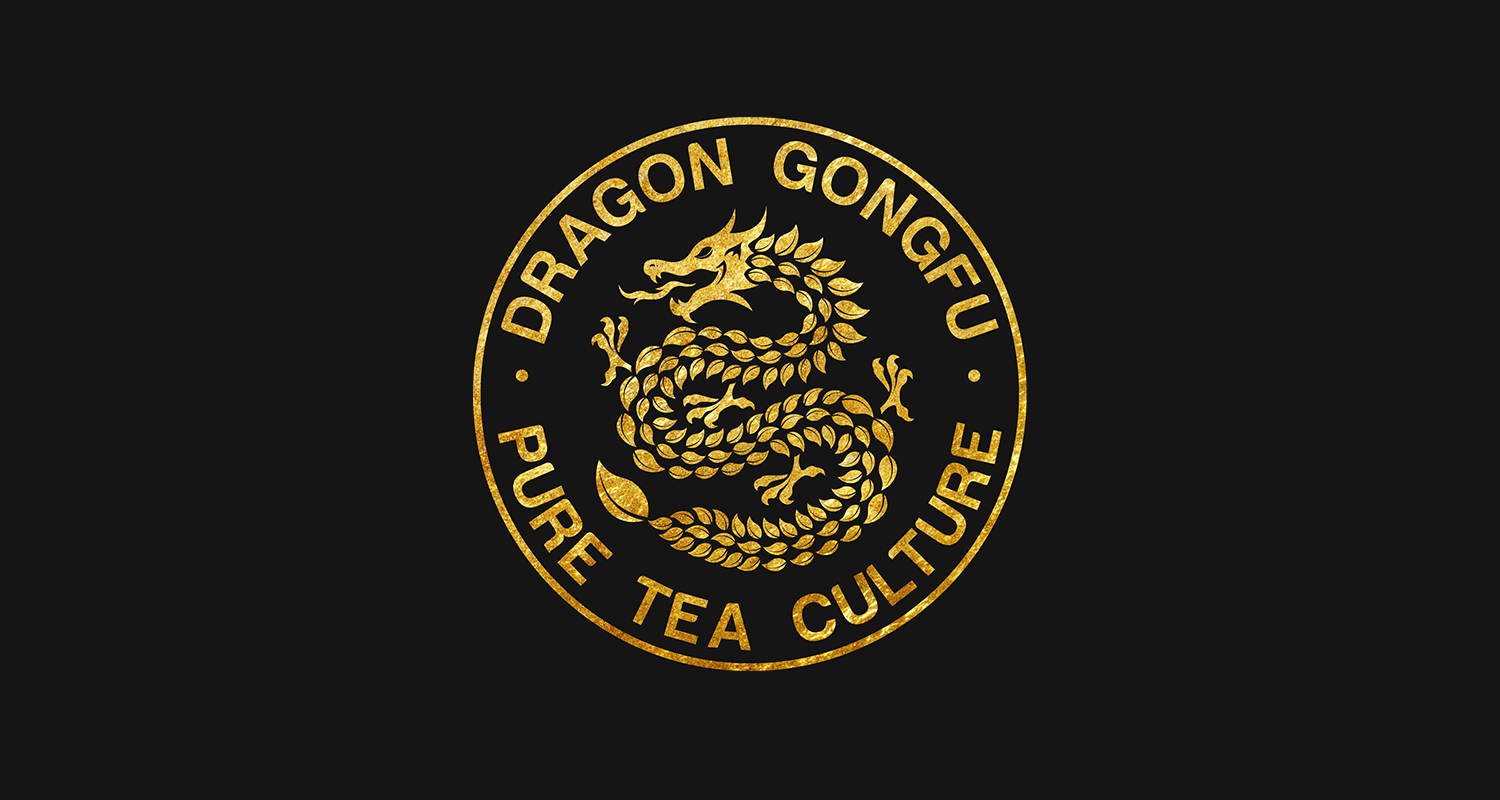
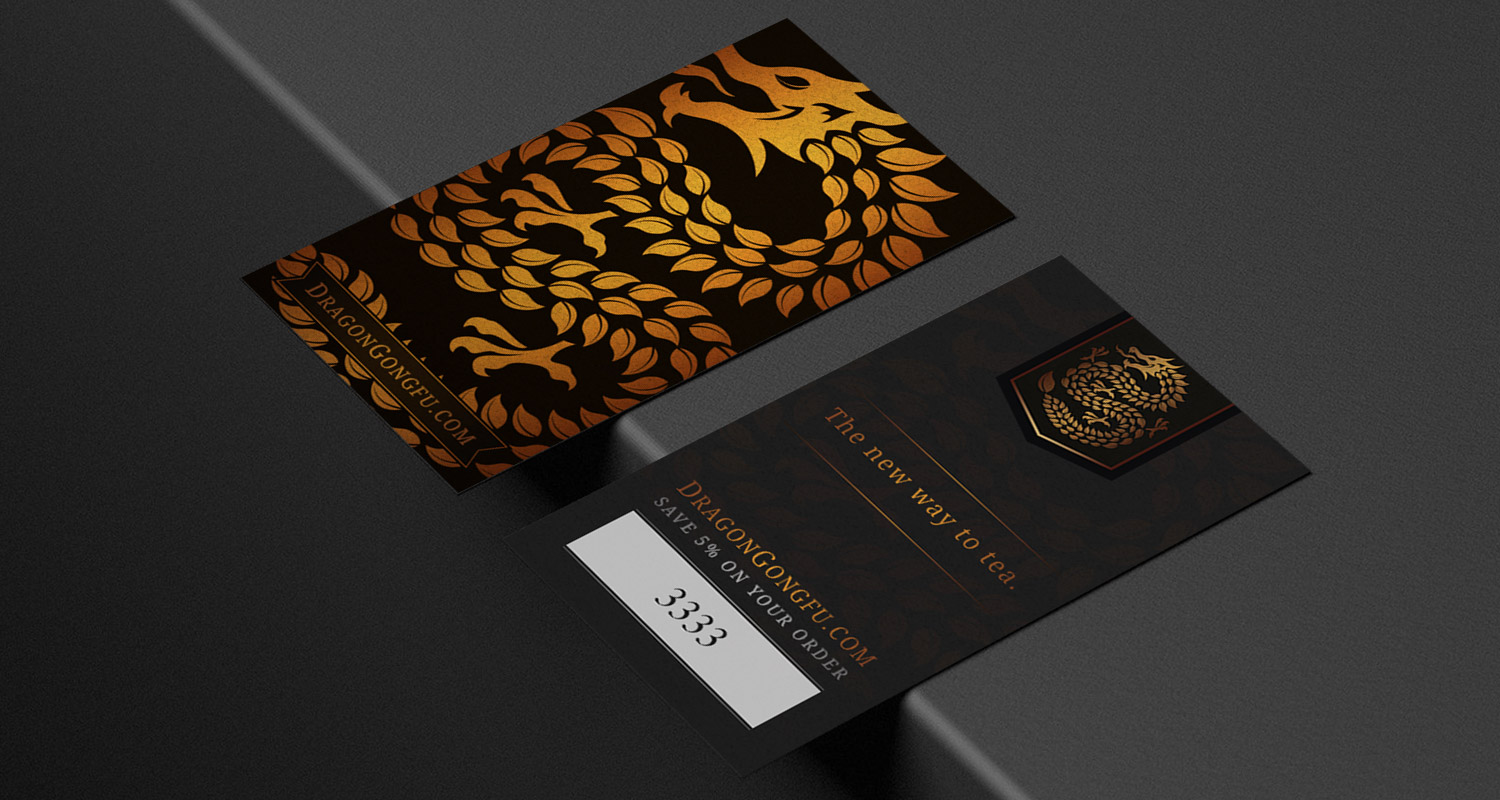
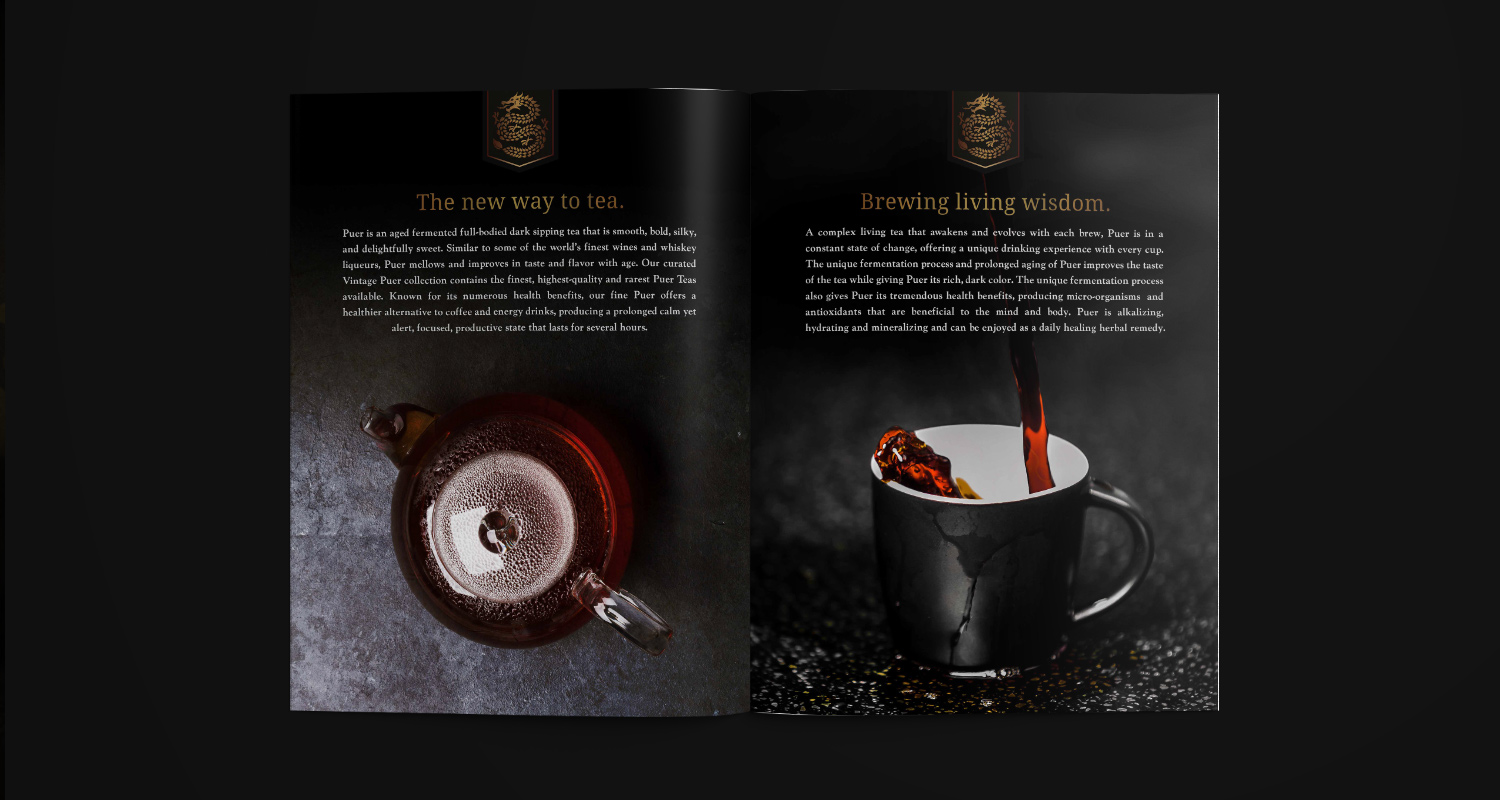
We built Dragon Gongfu as a brand from the ground up. Logo, type system, color, voice. The brand had to do two jobs at once: read as the connoisseur-grade specialty tea brand the company wanted to be, against entrants targeting the same buyer with credentials and craft, and stay approachable enough for the broader specialty-consumer market without losing its specificity. The system held both.
The brand voice ran across every customer-facing surface — site copy, packaging copy, product descriptions, email, social, advertising. One voice, one set of words for the same products, calibrated to whichever surface the customer was on.
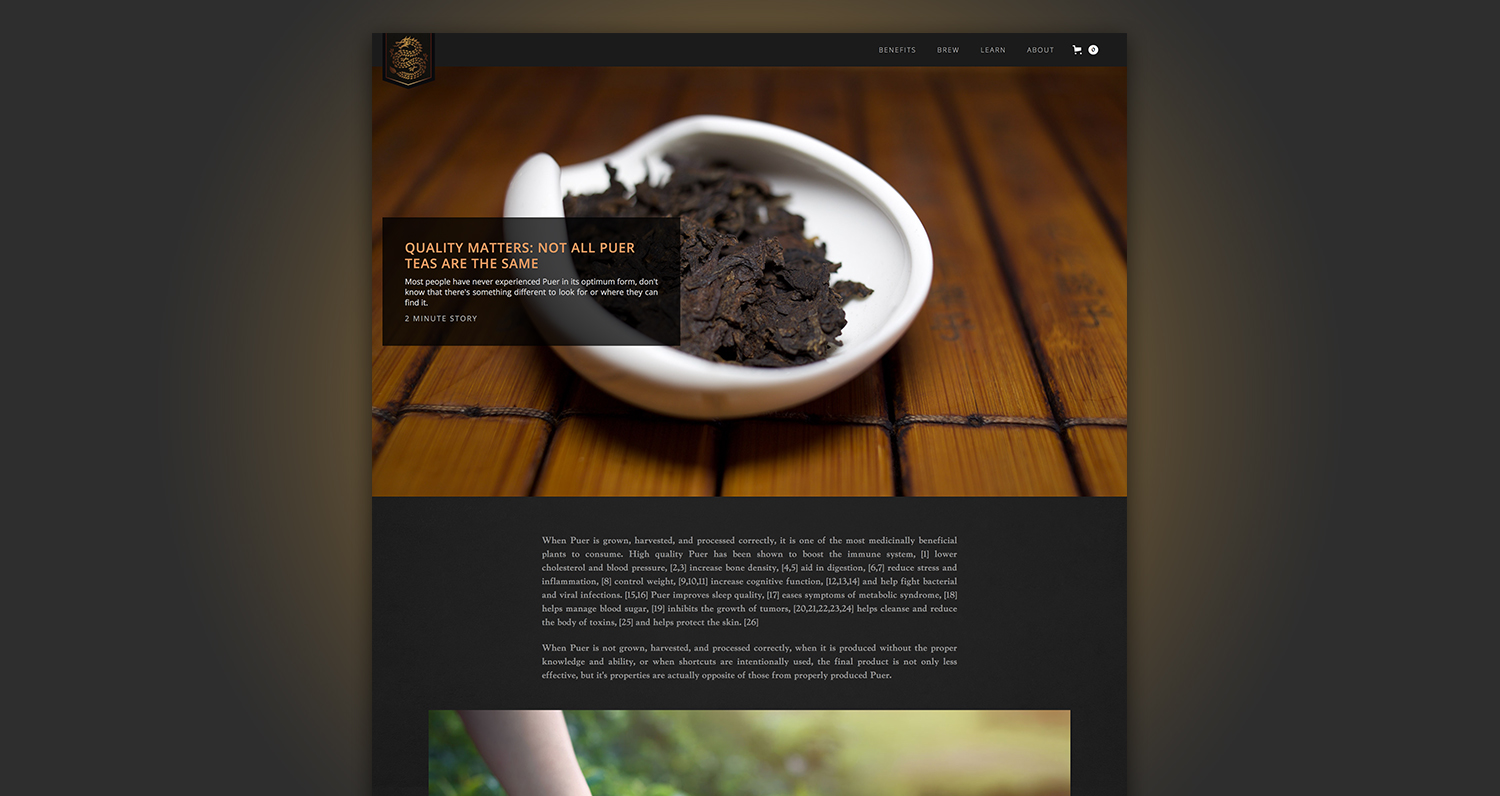
The e-commerce site was the brand's primary surface for direct-to-consumer customers. Product catalog, brand story, ordering experience, and post-purchase communications all sat inside one continuous brand expression.
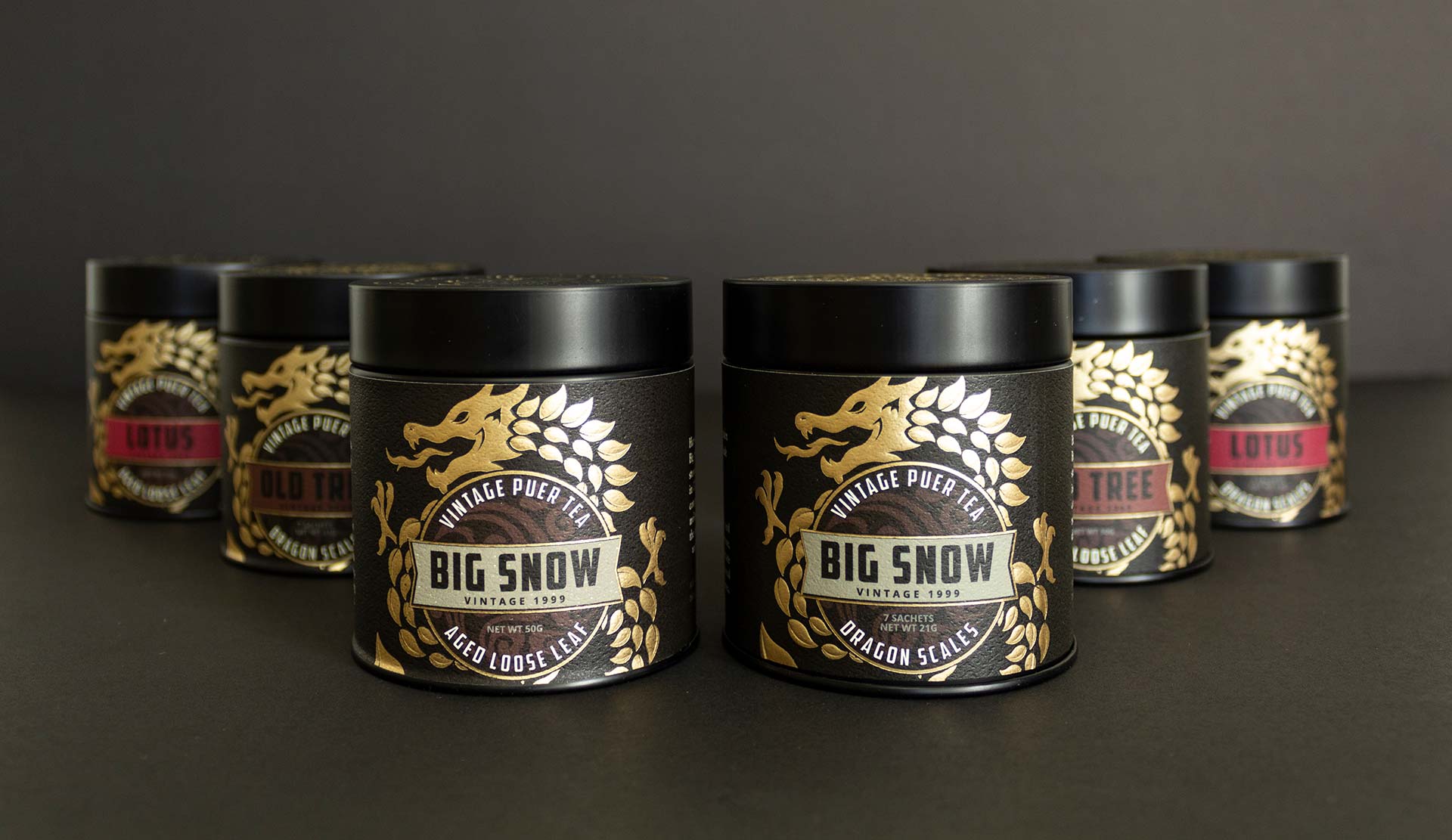
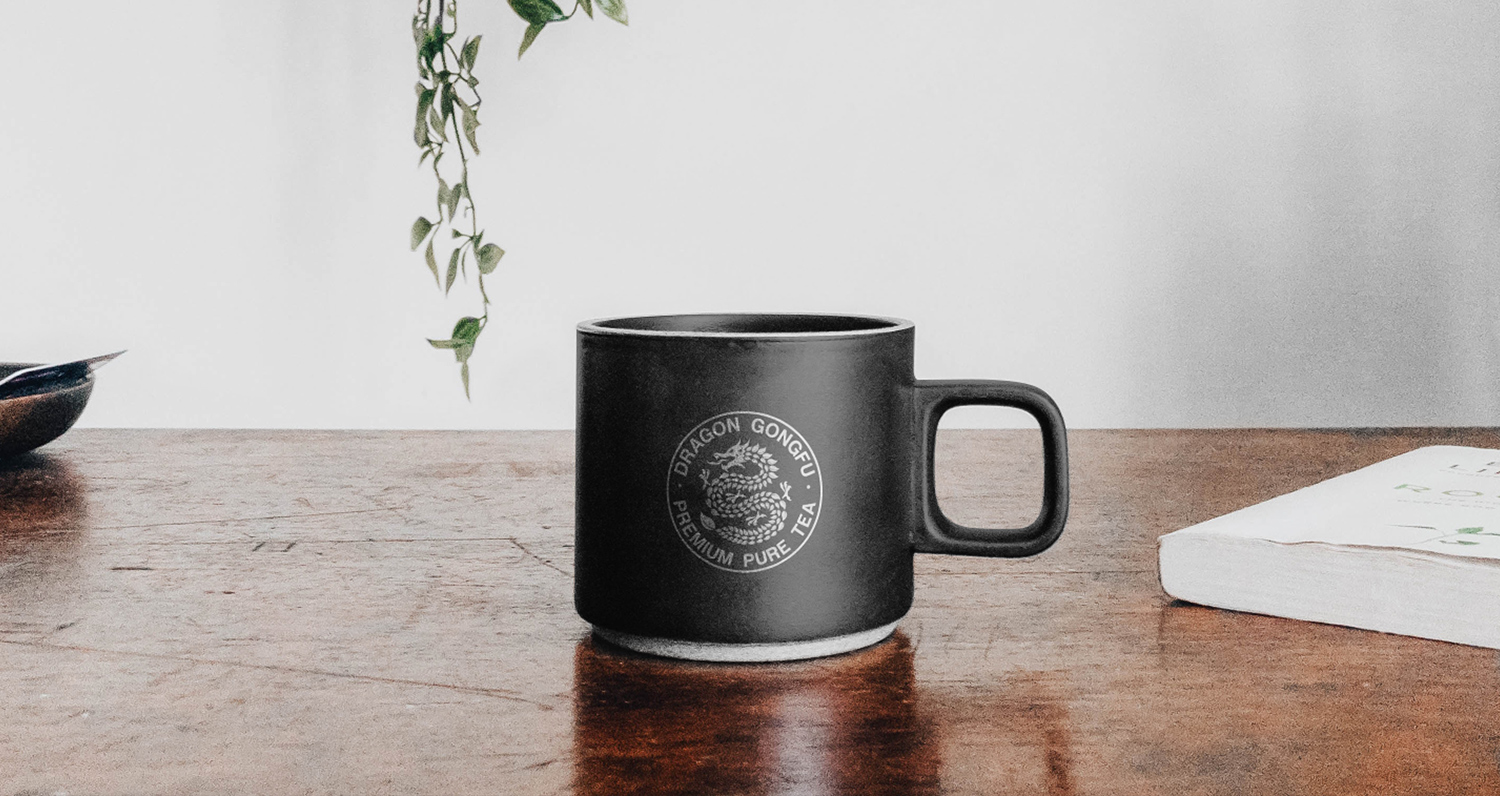
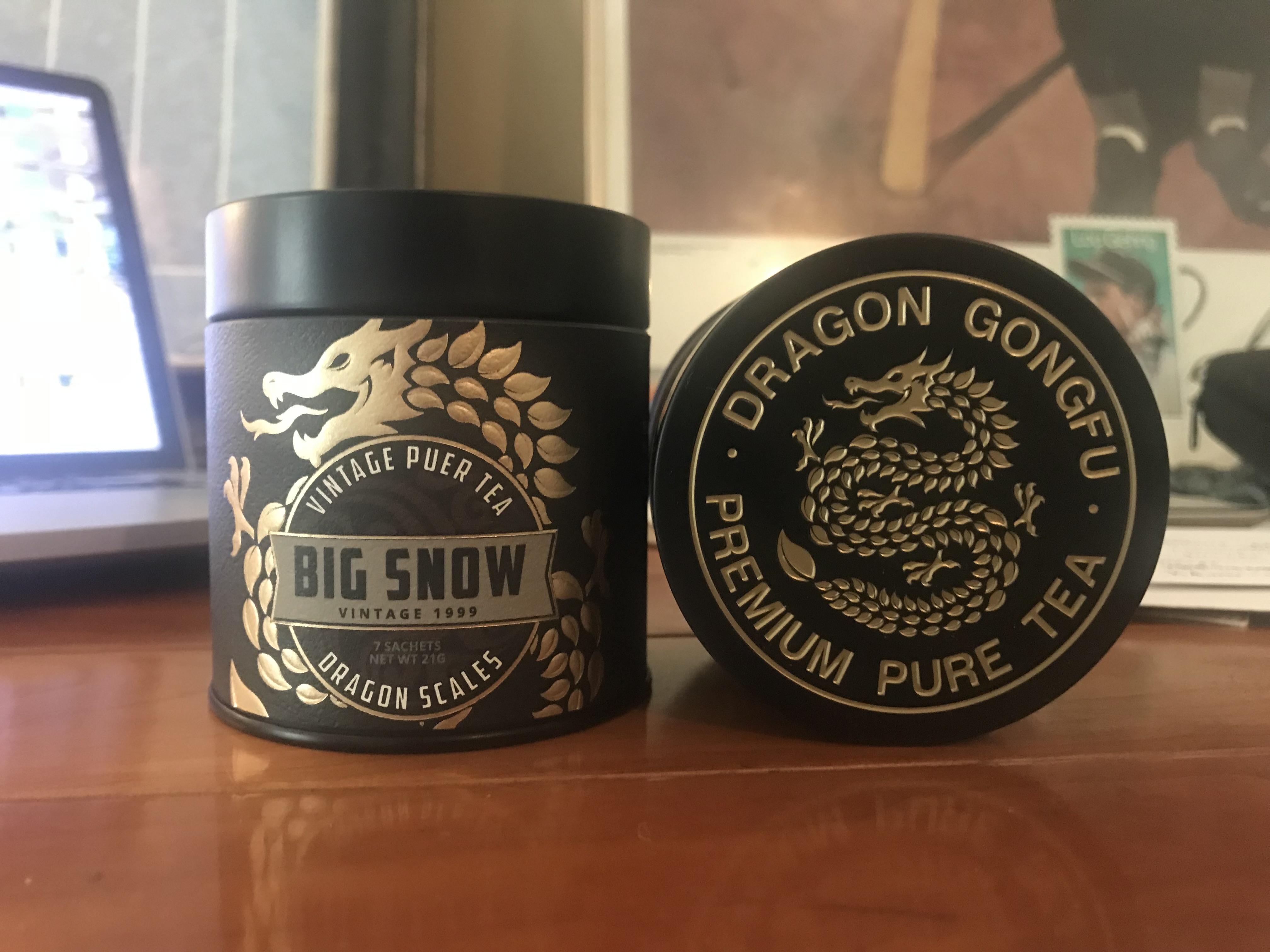
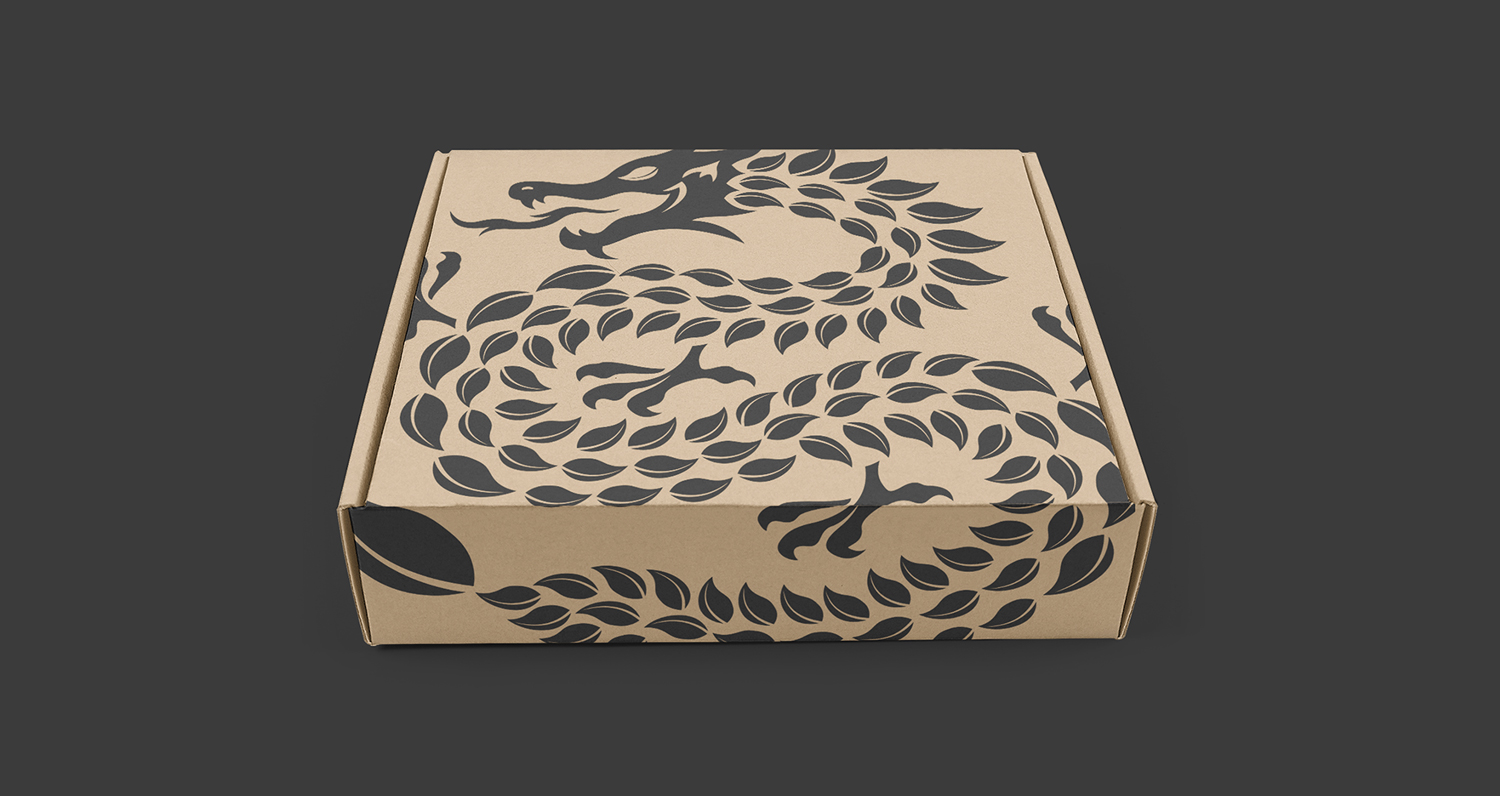
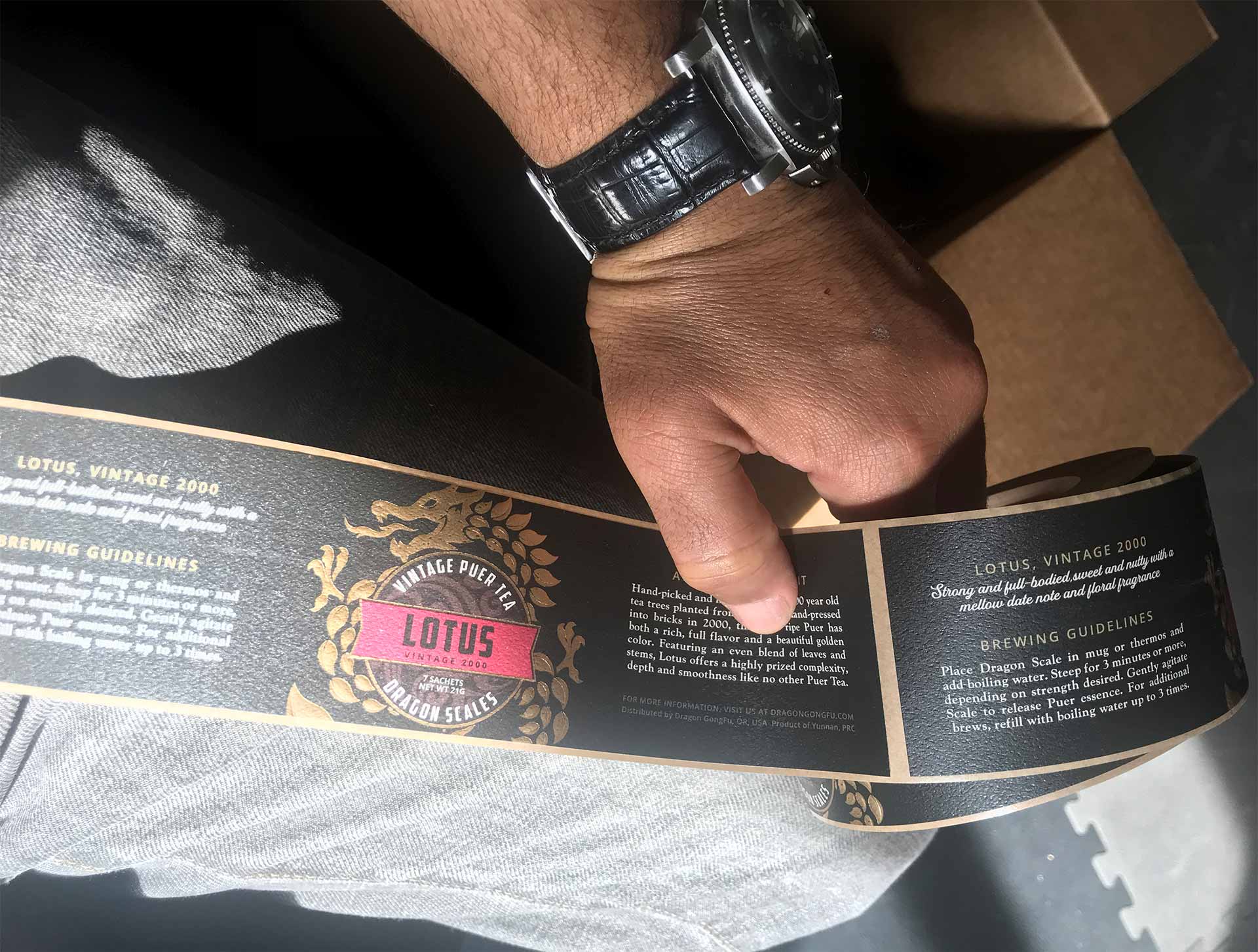
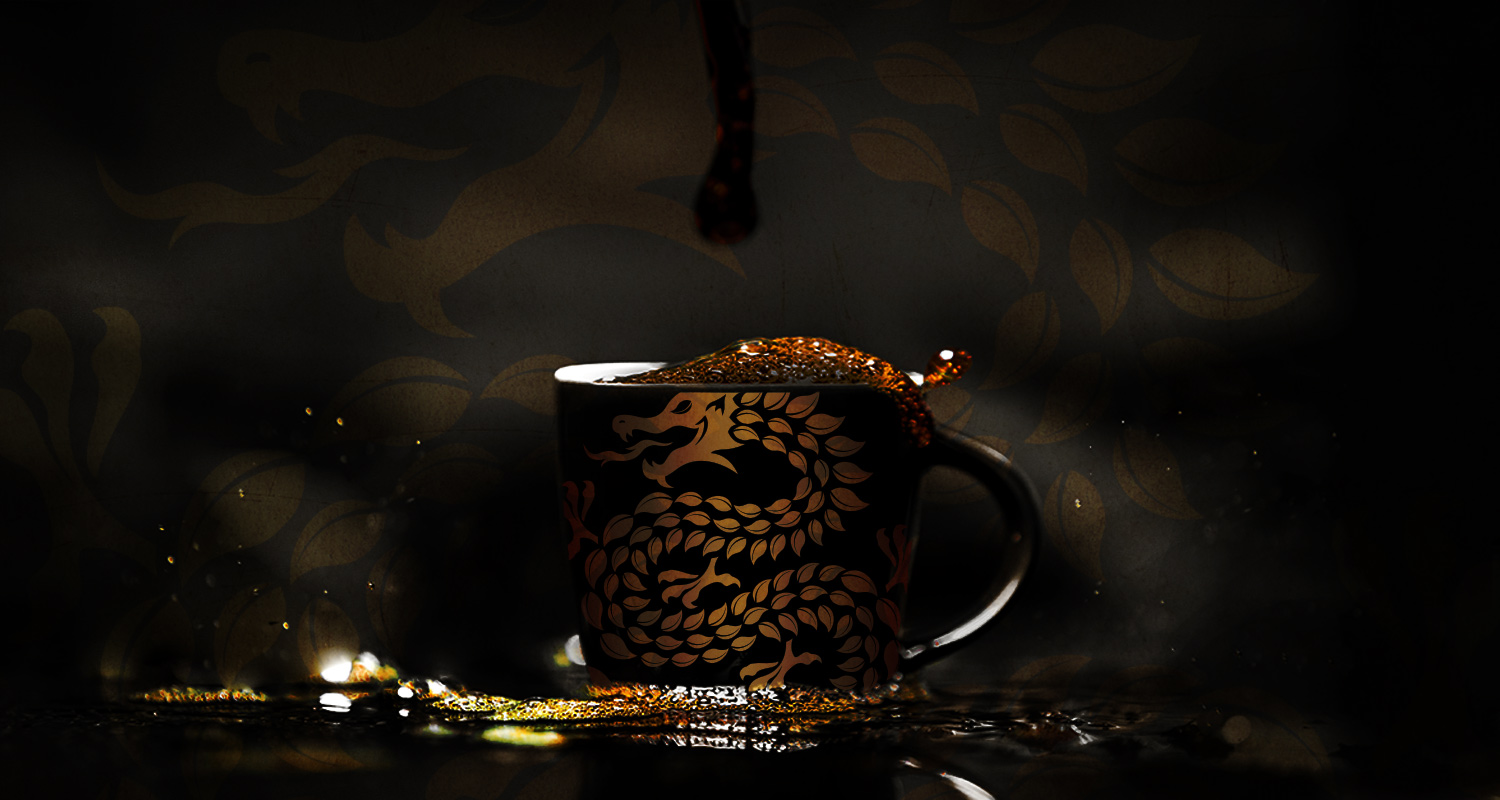
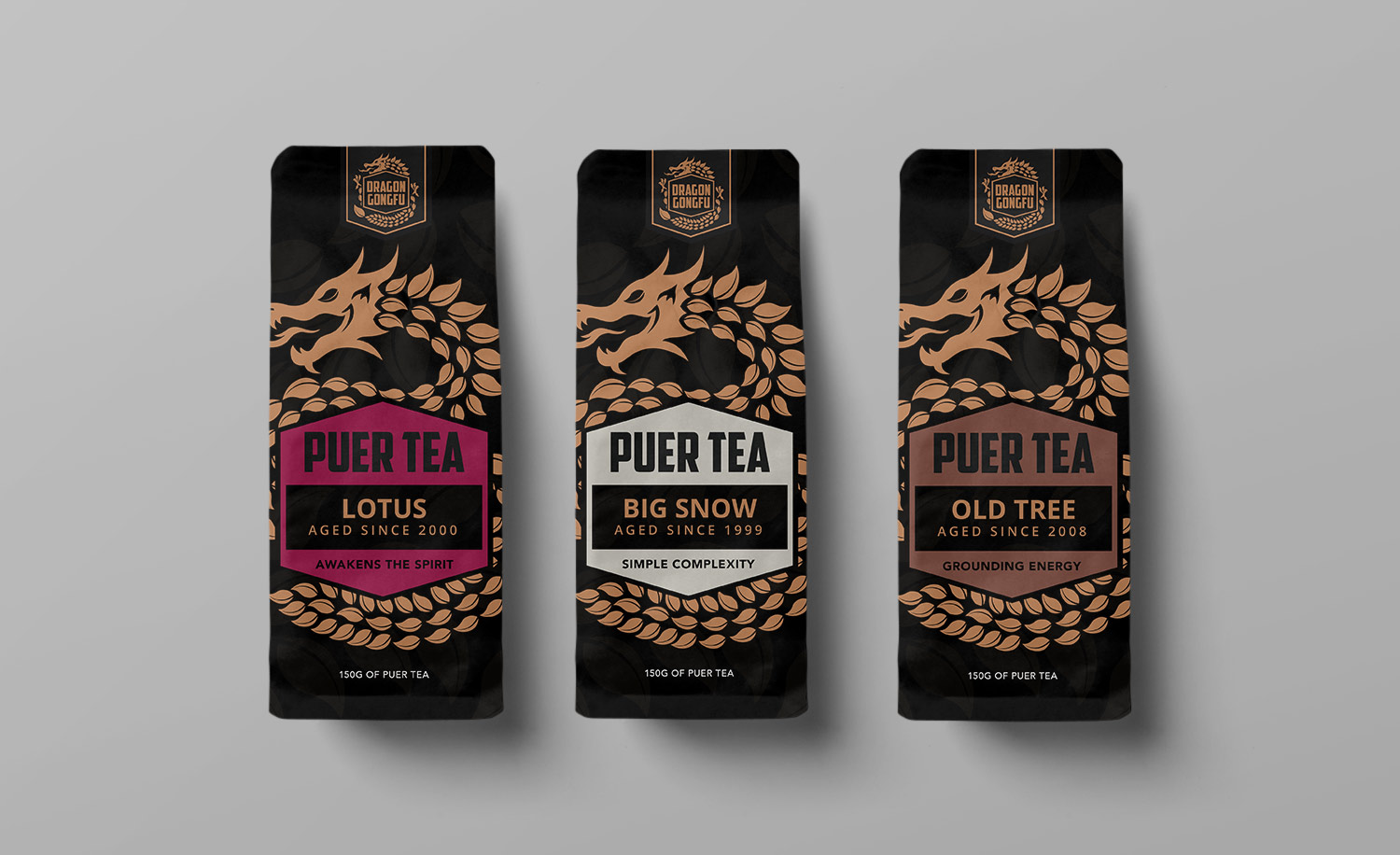
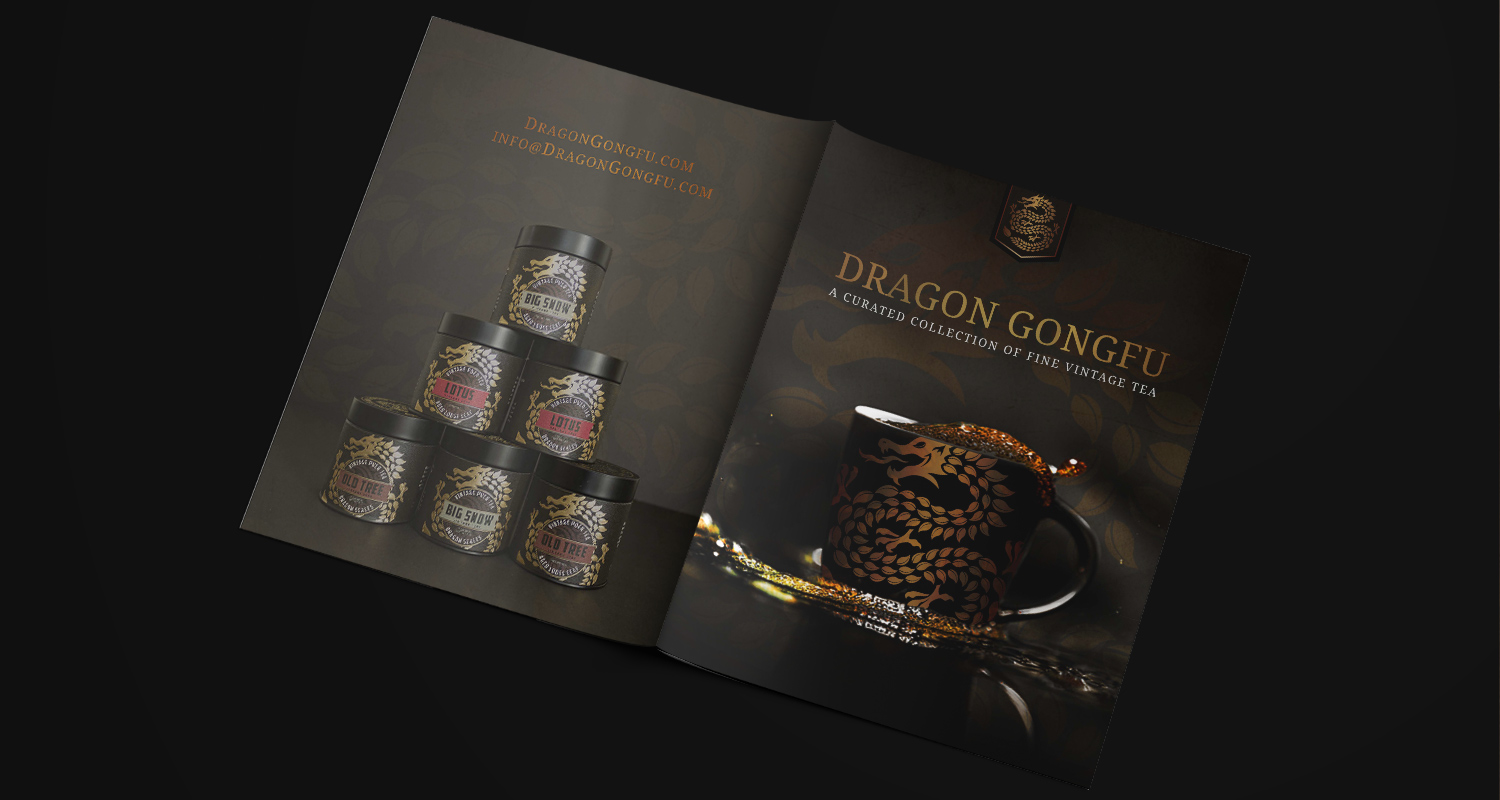
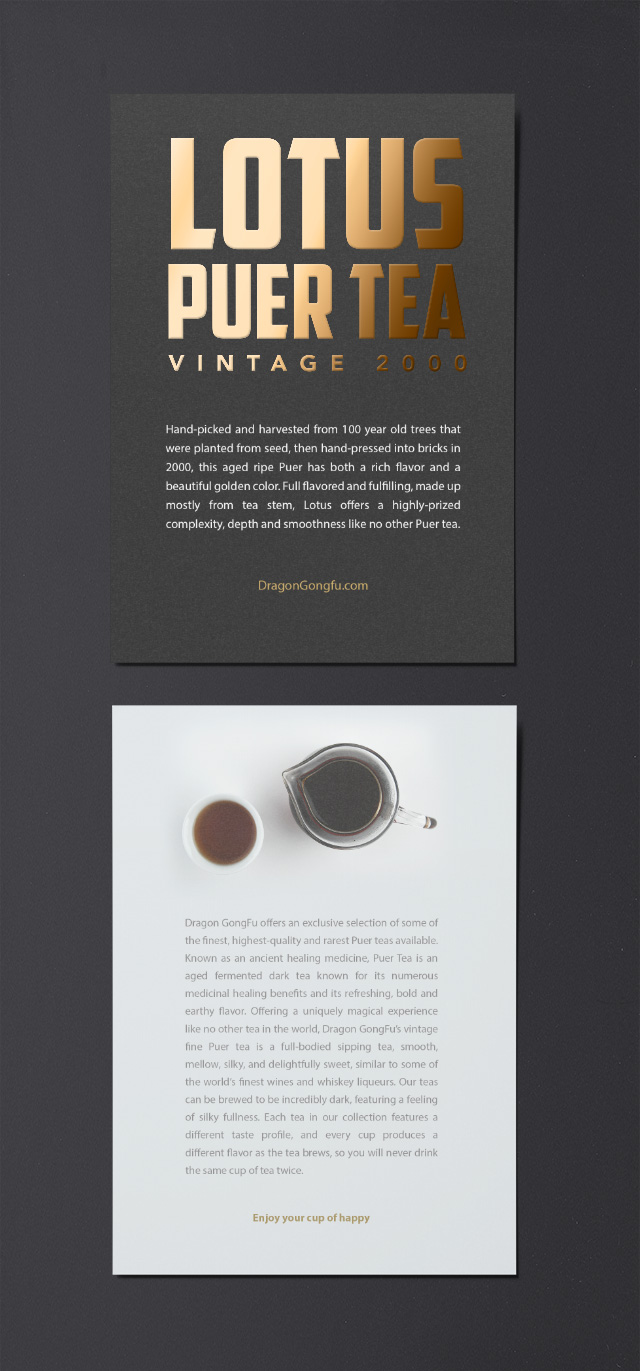
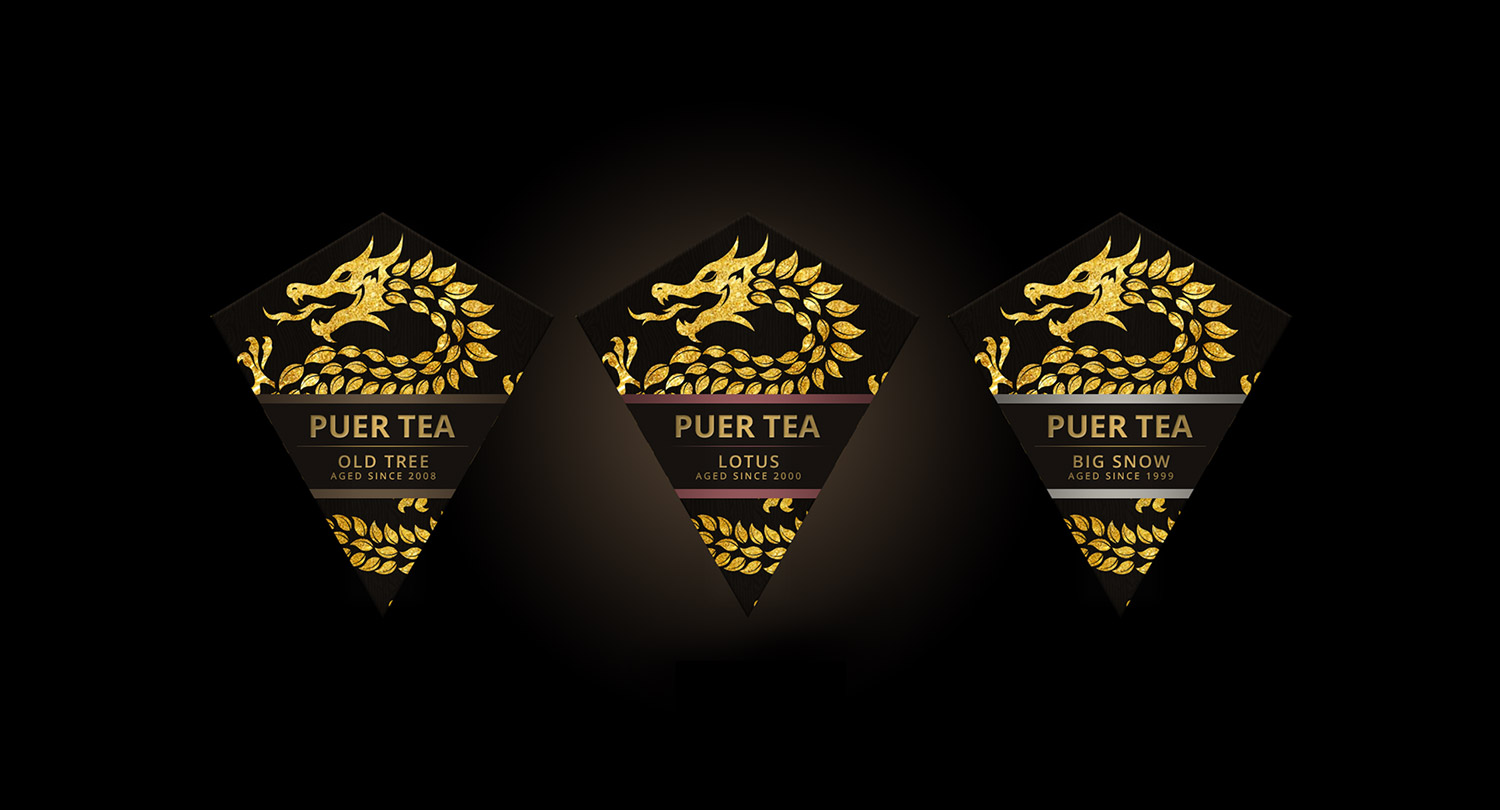
The packaging was the brand's most concrete expression and the place where the system did its most distinctive work. We designed and sourced a packaging system that combined elements rarely seen together in luxury product packaging: metallic-ink labels, debossed surfaces, and metal-filled tin tops. The combination read as luxury without reading as derivative — the system didn't borrow from cosmetics, spirits, or coffee, where these techniques sometimes appear in isolation. It established a packaging language specific to specialty tea.
The tin procurement ran through direct relationships we built with a Chinese manufacturer — personal talks, supplier evaluation, sample qualification, ongoing quality control. The label work ran through specialty printers capable of executing the metallic-ink and debossing combination at the volume Dragon Gongfu needed. As new SKUs entered the portfolio, the packaging system absorbed them. The founder didn't commission new packaging for every release; the system answered what new packaging should look like before the question was asked.
Product Invention
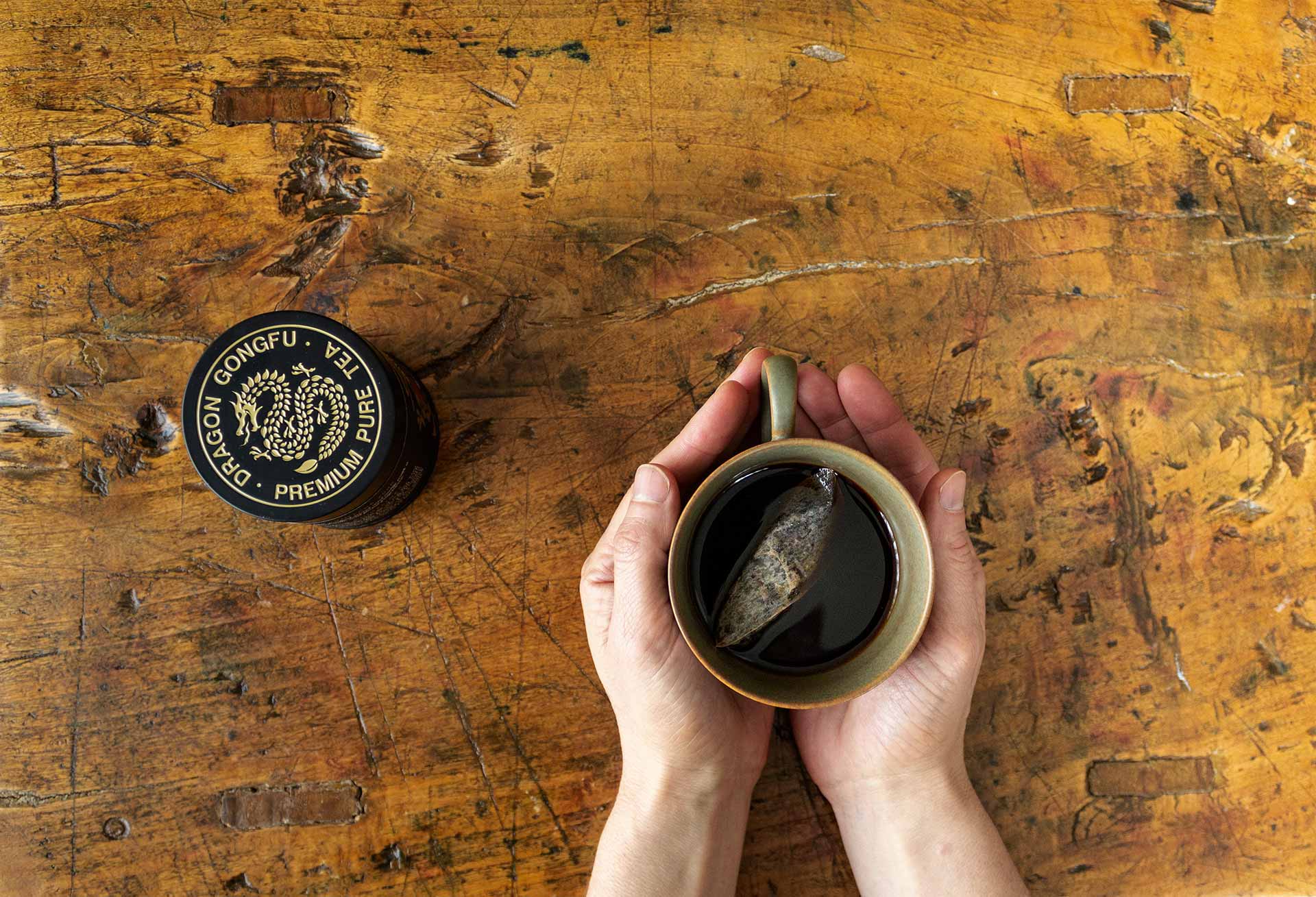
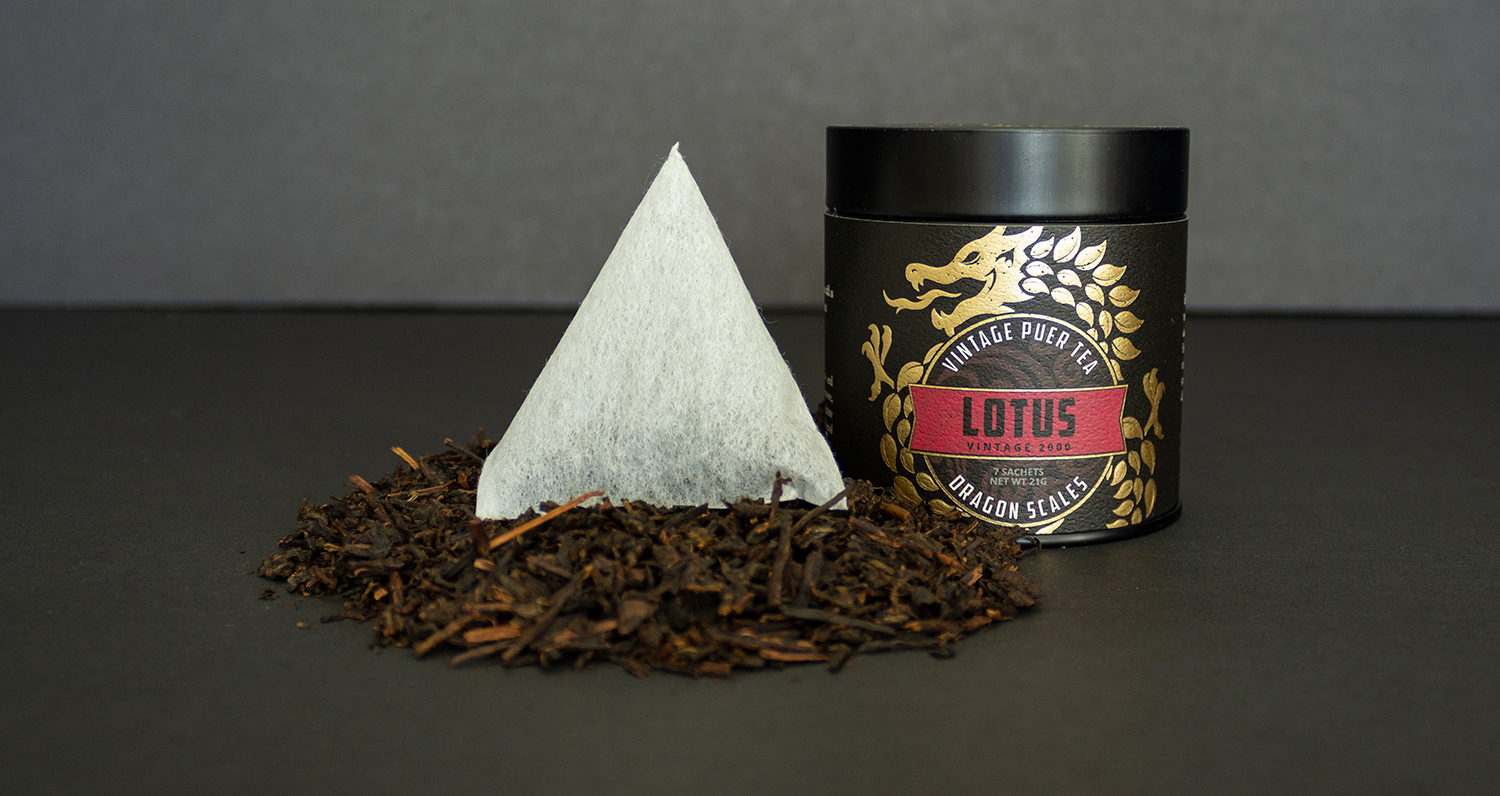
A specialty tea company sells the leaves — but a meaningful portion of the customer experience is the bag the leaves go in. Most teabags on the market at the time contained plastics that released microplastics into hot water; the biodegradable alternatives that existed used materials that compromised flavor or fell apart in transit. We invented a teabag that solved all three constraints at once.
The new teabag was organic, biodegradable, and plastic-free — first on the market in its category at the time of release. The invention required materials sourcing, packaging engineering, manufacturer coordination, and product testing across brewing performance, transit durability, and shelf life. All of it ran through the partnership.
The teabag was the company's most-touched product surface — every customer's first physical interaction with Dragon Gongfu was opening the package and dropping the teabag into water. Engineering that surface to align with the brand's premium positioning, the company's environmental values, and the manufacturer's production capability was the operational achievement. It also unlocked retail and distribution conversations the company couldn't have had before — including, ultimately, the coffee-manufacturer specialty line.
At the time of the company's closure, we were developing a second product invention: an instant water-soluble tea packet, structured to dissolve directly in hot water without a brewing vessel — a specialty-tea version of the convenience-category format. The development partner was a food engineer in Utah. The product was intended to extend the brand into a convenience-segment customer the loose tea and teabag formats couldn't reach, without compromising the specialty positioning that earned the brand its existing customer base.
The development was in flight when the fire described in chapter 06 ended the company's operations. The product didn't reach market. The invention work — formulation, sourcing, engineering coordination — is on the record as part of what the partnership was building in its final months.
Operations & Fulfillment
A direct-to-consumer brand lives or dies on the operational machine behind it. The brand can be beautiful and the marketing can be sharp, but if orders aren't shipping, packaging doesn't show up at the warehouse on time, or vendor relationships break down, the business stalls. We run the operational machine.
Vendor management covers the network of suppliers behind every product the company sells: packaging manufacturers, label printers, ingredient sourcing for elixirs, fulfillment providers, and the other partners that turn a tea selection into a shippable product. We own the relationships, contracts, reorders, quality control, and escalation when something breaks.
Fulfillment operations is the day-to-day order machine. Orders flow through the e-commerce platform, route to the fulfillment provider, ship to customers, and any exceptions — returns, address corrections, customer service escalations — get resolved inside the partnership. The founder doesn't see most of it. The machine runs.
Product development is the ongoing cycle of bringing new teas and elixirs to market. The founder selects what's coming next; we run the packaging design, supplier coordination, e-commerce listing, marketing launch, and inventory management that turns a new tea into a SKU customers can buy.
The leverage is that the founder doesn't have to think about any of this. He thinks about teas, China, and partnerships. We handle the machine that turns her work into a business.
The Outcome
organic, biodegradable, plastic-free teabag. Water-soluble packet in development at company closure.
direct-to-consumer footprint, plus specialty placement through one of the country's leading coffee manufacturers.
brand, marketing, advertising, e-commerce, vendor, and fulfillment. LLC formed, brand created, operational infrastructure run end-to-end.
Dragon Gongfu grew from a single tea house in Ashland into a national direct-to-consumer specialty brand on a company we formed and operating infrastructure we built and ran. The packaging system — metallic-ink debossed labels, metal-filled tin tops, sourced through direct relationships in China — was unseen in luxury packaging at the time. The biodegradable, plastic-free teabag was first to market. The water-soluble packet was in development with a food engineer in Utah. The CEO-level distribution relationship placed Dragon Gongfu teas as a specialty line through one of the country's leading coffee manufacturers.
The company's chapter closed in 2020 when a regional fire destroyed over $2 million in product inventory, packaging, and machinery. The water-soluble packet development was in flight when the fire hit. The fire ended the company, not the partnership.



For founders preparing to raise, launch or scale.
Named operators. Weekly cadences. Engagements that compound, not transactions that close. We start with where the company is, what has shipped, what is breaking, and what the next 90 days have to produce.
Embedded operating partnership for founder-led companies.
San Diego, CA
Atlantic Beach, FL

