
We were hired to design the website. We invented the flagship product. We hold co-founder equity in the company.
HypoHolder is a medical device R&D company building products to protect healthcare workers from needle-stick exposure. Our engagement started as a website design project. It expanded into sales collateral, trade show presence, and product photography. At an inflection point in the company, we invented the flagship product HypoHolder sells today. The patent filed names us as co-inventors. The partnership was restructured around our contributions, and our role was redefined as co-founder with substantial equity in the company.
- Operations
- Strategic Planning & Modeling
- Go-to-Market Strategy
- Medical Product Invention & Design
- Engineering Collaboration
- Manufacturer Sourcing
- Patent Writing & Strategy
- Grant Writing & Applications
- Investor Materials
- Sales Enablement
- Website & E-commerce
- Product Photography
- Trade Show Collateral
- Social Media & LinkedIn
- SEO & Copywriting
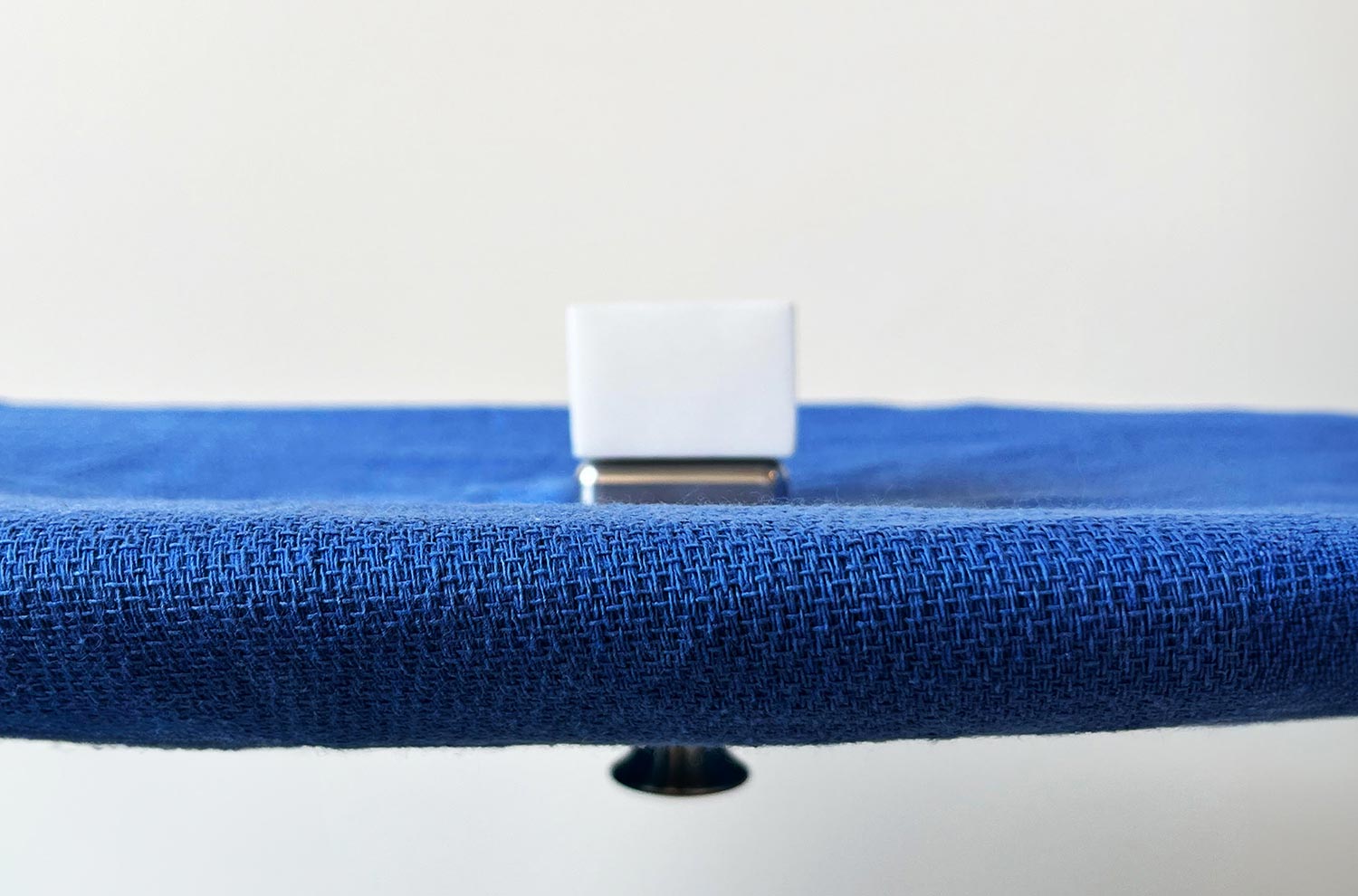
We were hired to design a website. We invented the product.
The Engagement
The engagement started conventionally. The company hired us to design and build a website. We delivered, and the relationship expanded — sales collateral, trade show collateral, product photography. By any standard scope of work, that was the engagement: a capable outside partner delivering market-facing surfaces. We were good at it, but we were a vendor.
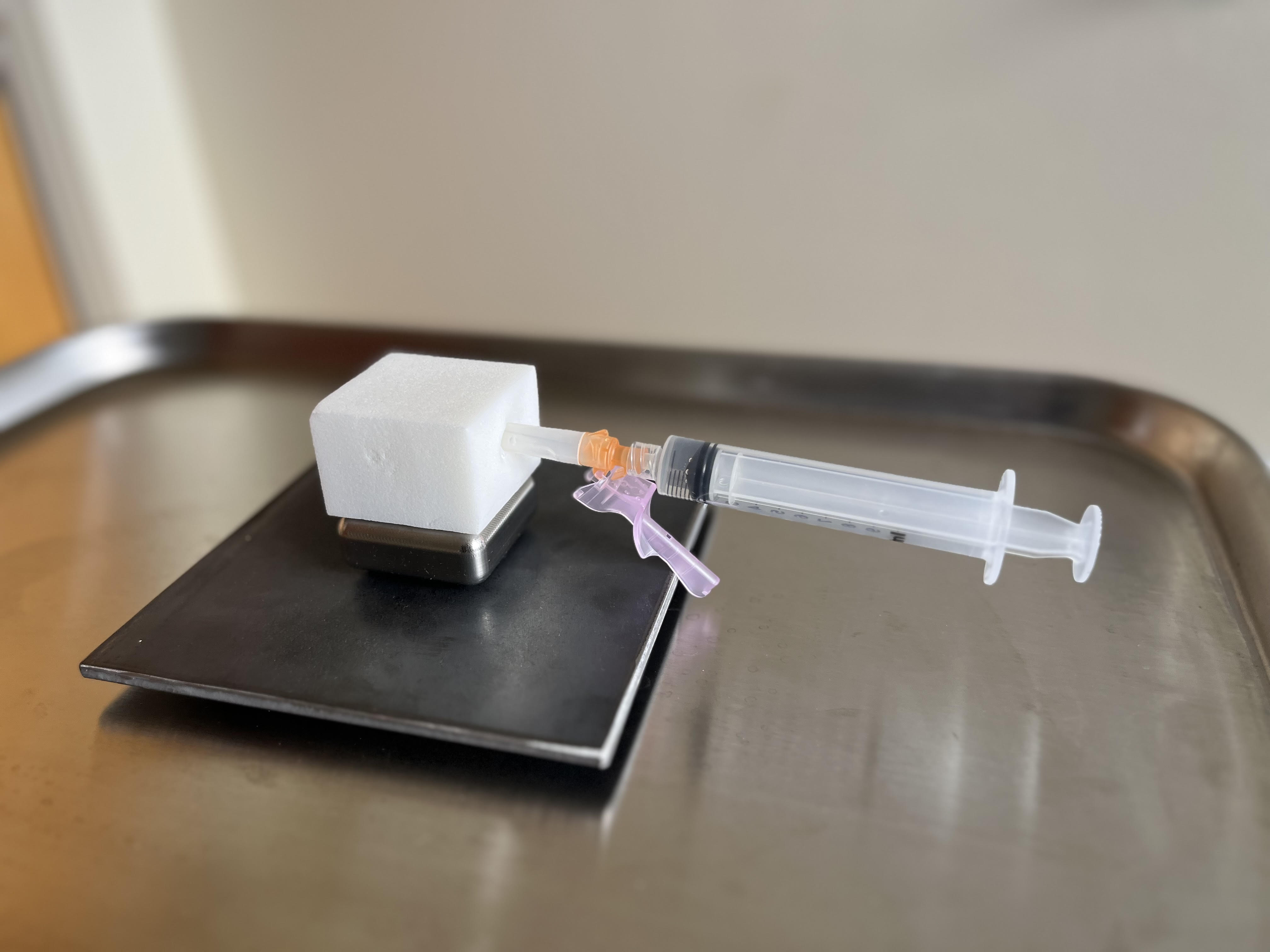
Then we invented the flagship product HypoHolder sells today. We designed it, prototyped it, and brought it through engineering. The patent filed names us as co-inventors. The company adopted it as the new market position.
The partnership was restructured to reflect what had happened. Our role was redefined as co-founder, with substantial equity in the company. Decisions on product direction, patent strategy, manufacturer selection, and go-to-market sequencing now run through us as co-founders, not as outside partners reporting up.
This isn't a story about a vendor relationship upgrading itself. It's a story about what becomes possible when the people working alongside a founder operate like founders themselves. The work in the rest of this case study describes the scope we now run from that position.
What We Ran
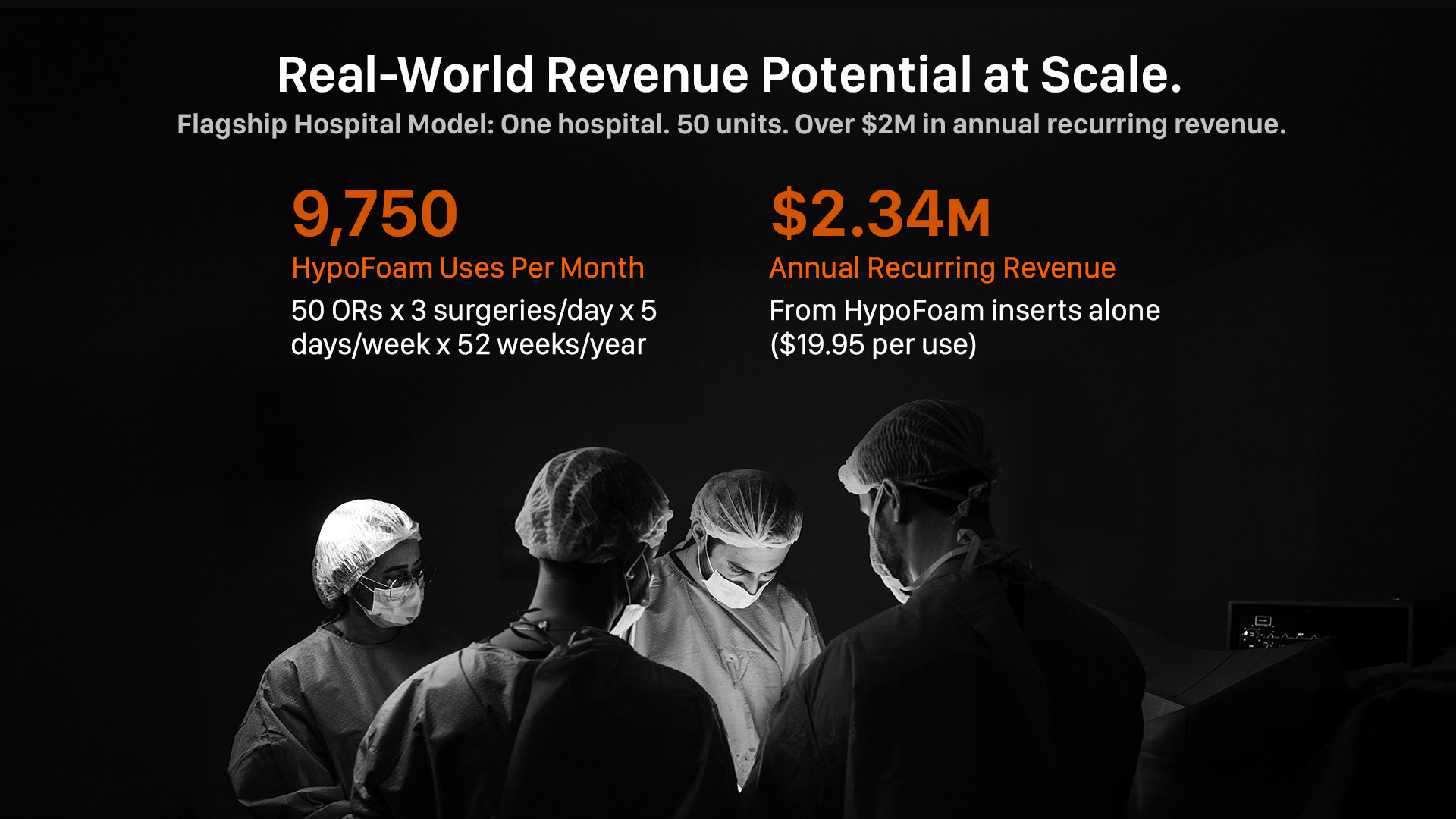
Strategy and capital formationWe wrote the three-year business plan, including go-to-market costs, milestone timelines, and unit-economic profit modeling. We built the go-to-market strategy itself, and we run AI-driven industry research and competitive analysis as a continuous input to every strategic decision. Grant research, writing, and applications run as a sustained workstream supporting non-dilutive capital, in parallel with investor materials for direct fundraising.
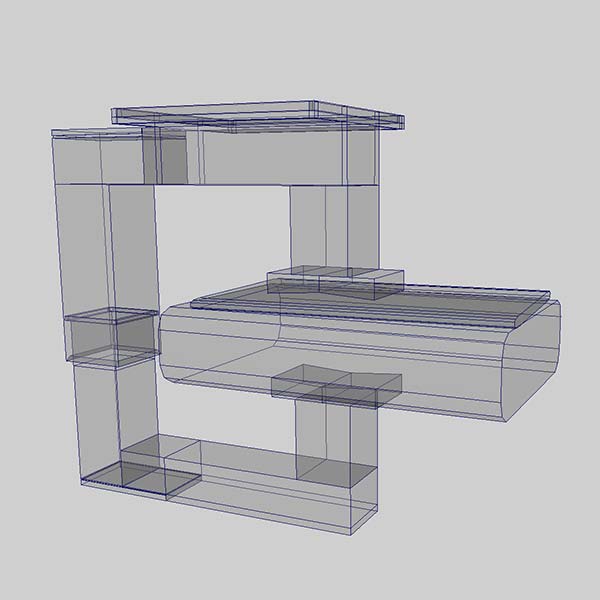
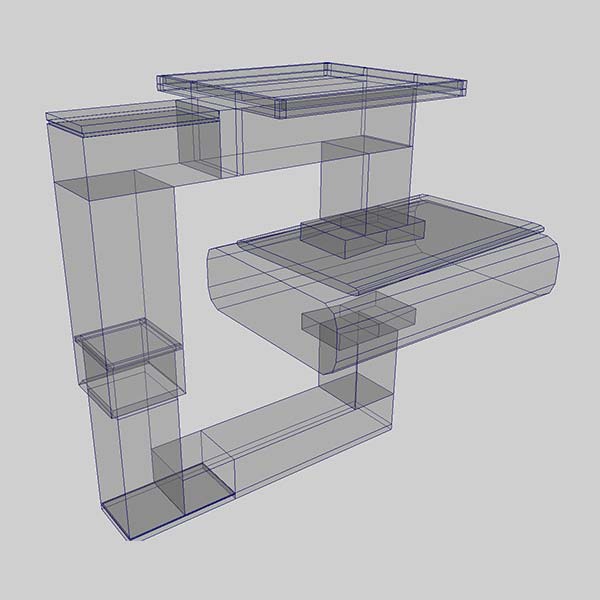
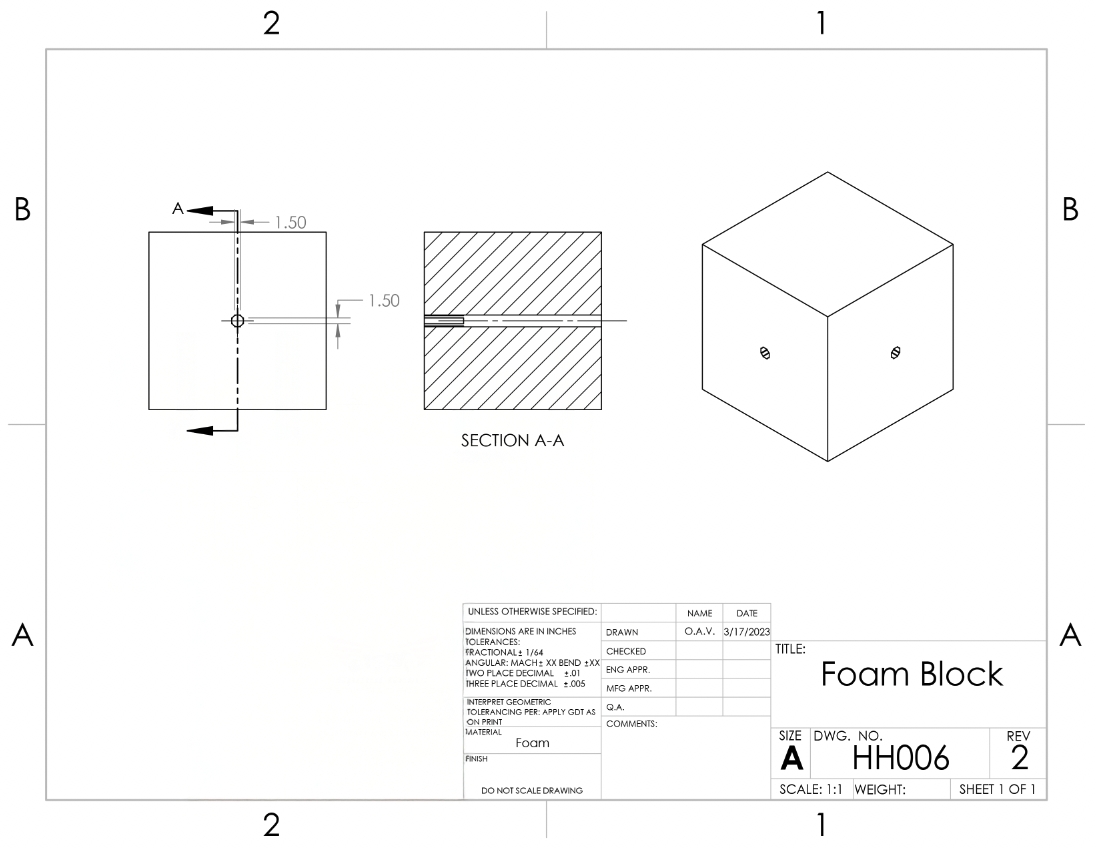
Product and patentWe invented and designed the flagship product and worked alongside the engineering team through testing and launch. We wrote the patent documentation, created the patent figures, and set the patent strategy. We sourced the injection mold manufacturer and brought supply chain decisions under partnership management — vendor evaluation, sample qualification, contract negotiation.
Clinical and sales infrastructureWe write the hospital studies and clinical trial protocols. We built the sales enablement system from the ground up — brochures, value analyses, slide presentations, distribution one-pagers — and we support the head of sales on an ongoing basis. Trade show collateral and product photography come off our desks.
Market presenceWebsite design, development, and e-commerce. Social media content and strategy. LinkedIn management with active analytics. SEO. The full copywriting layer across every customer-facing surface.
What the founder keepsClinical relationships, partnerships with hospitals, and the medical-credentialing authority that only she can carry. Everything else, we run.
Brand & Creative
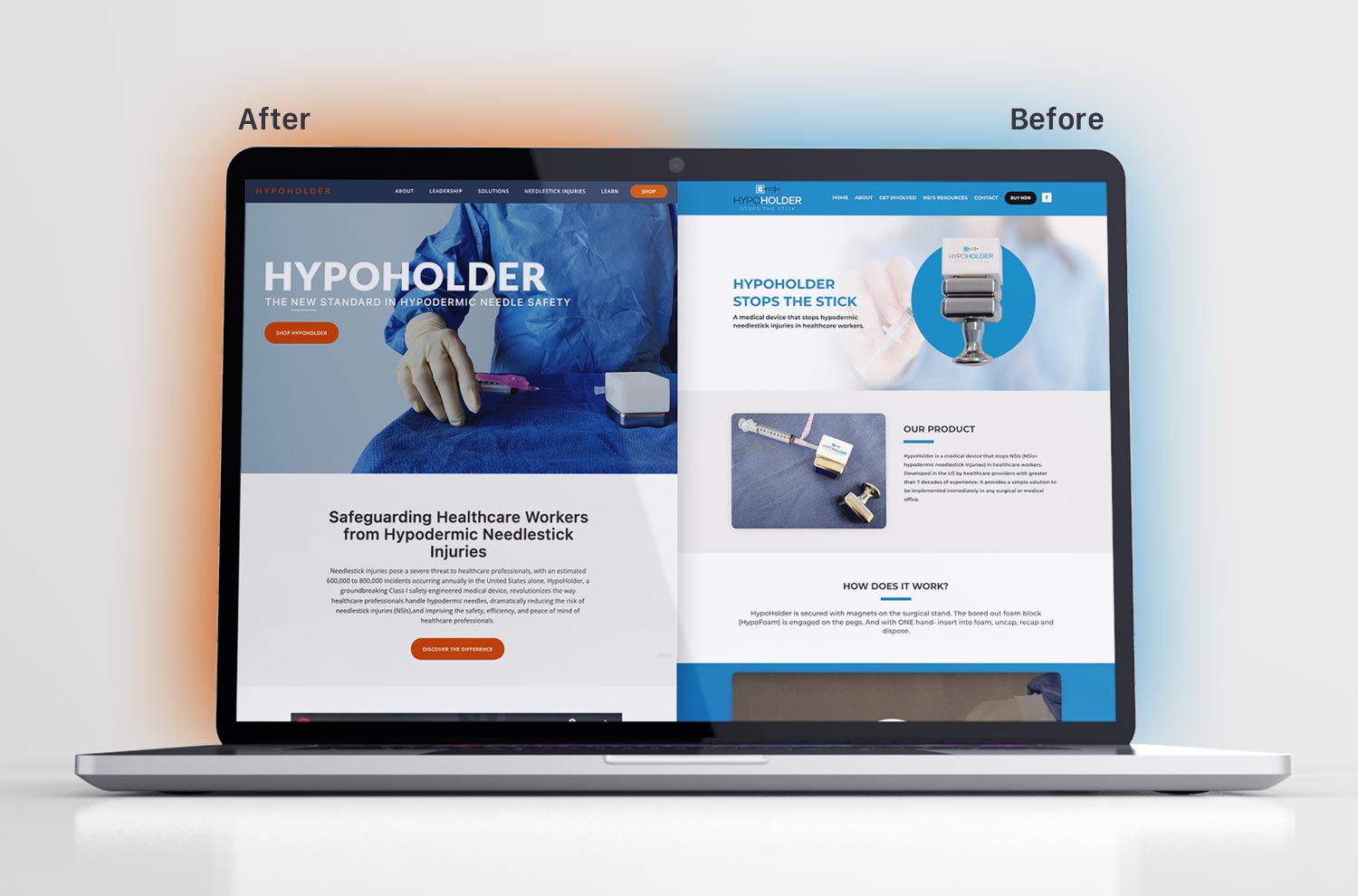
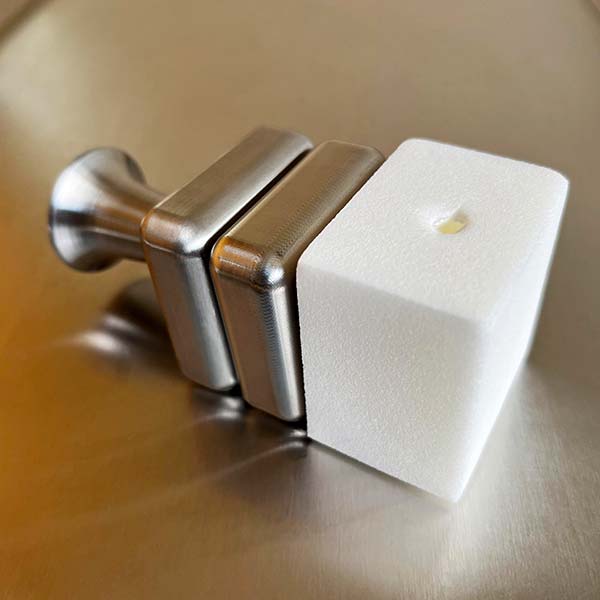
We built the company's market-facing identity from a near-blank starting point. The site we built is the credible clinical-product surface the company needed, with e-commerce infrastructure for direct orders alongside distributor and institutional channels.
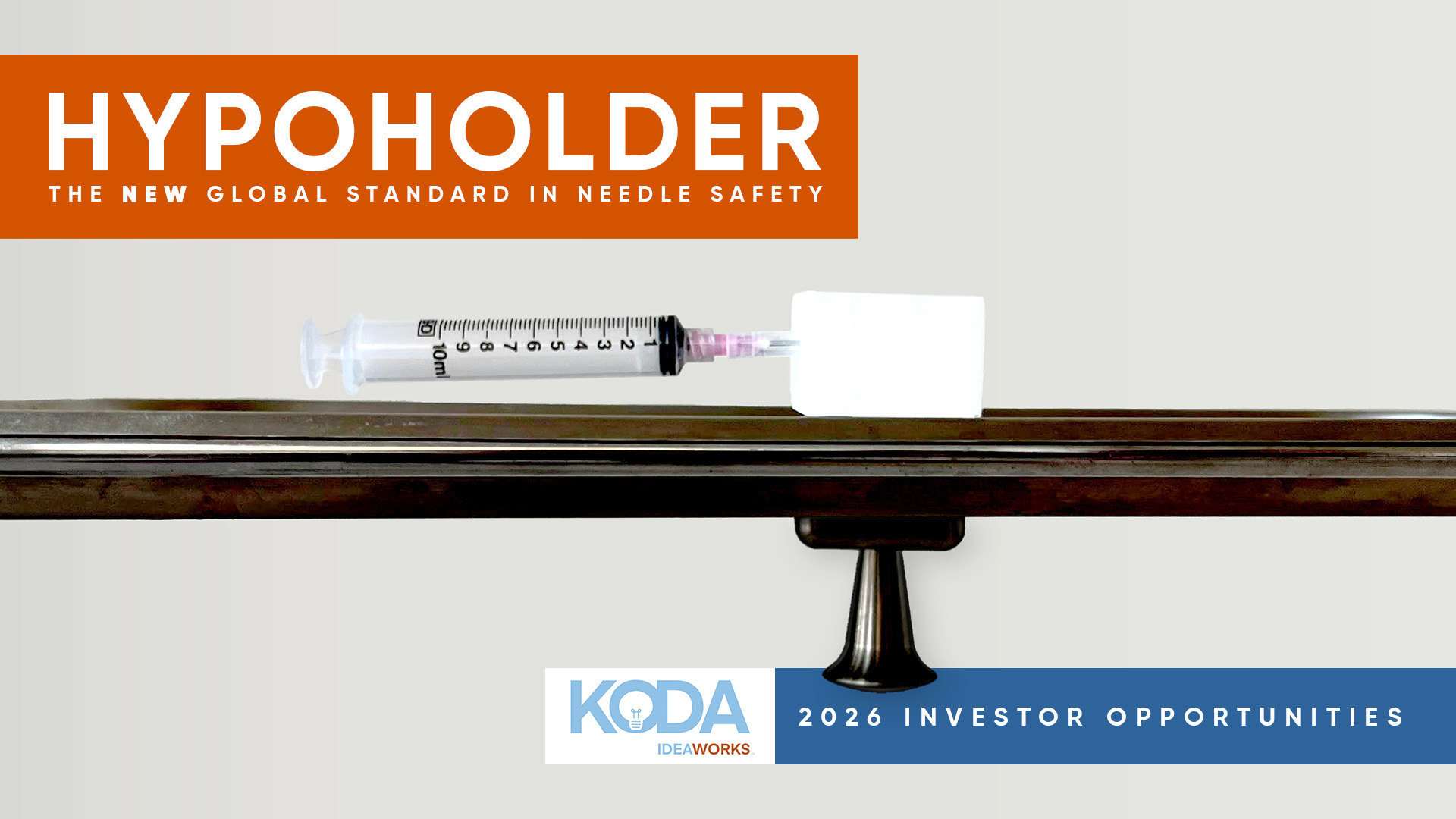
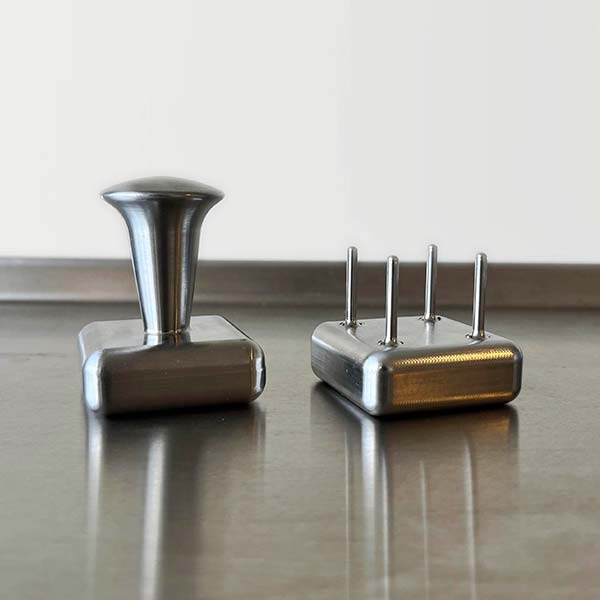
Product photography was rebuilt around the flagship. Every image used in sales conversations, on the site, in trade show collateral, and in investor materials traces back to the photography system we built. One visual system across every surface a customer or buyer sees.
The sales motion is a complete kit: brochures sized to hospital procurement workflows, value analyses that translate the clinical and economic case into the language hospital decision-makers actually use, slide presentations for direct sales meetings, distribution one-pagers for channel partners moving the product into facilities. The head of sales doesn't ask for materials before a meeting — the materials are built, current, and ready.
Trade show collateral ties this together at the booth level: banner systems, sample displays, and lead-capture infrastructure that converts trade show conversations into clinical pilots.


Verbal Identity
A medical device company has to speak in three registers at once — clinical, commercial, and financial — and most fail at the seams between them. The clinical literature has to be credible to hospital research committees and IRB reviewers. The sales material has to land with procurement officers and clinicians who don't read clinical literature. The investor and grant materials have to translate both into language that capital understands.
We write across all three. The patent documentation was written and filed by us. The hospital studies and clinical trial protocols are ours. The grant applications are ours. The sales brochures, value analyses, and trade show copy are ours. The investor materials are ours. One voice, one set of words for the same product, calibrated to whoever is reading.
The leverage in this is that the founder doesn't have to be a writer across three registers. She's a clinician and the CEO. We carry the writing infrastructure for everything that goes out the door under the HypoHolder name.

Product Imagery
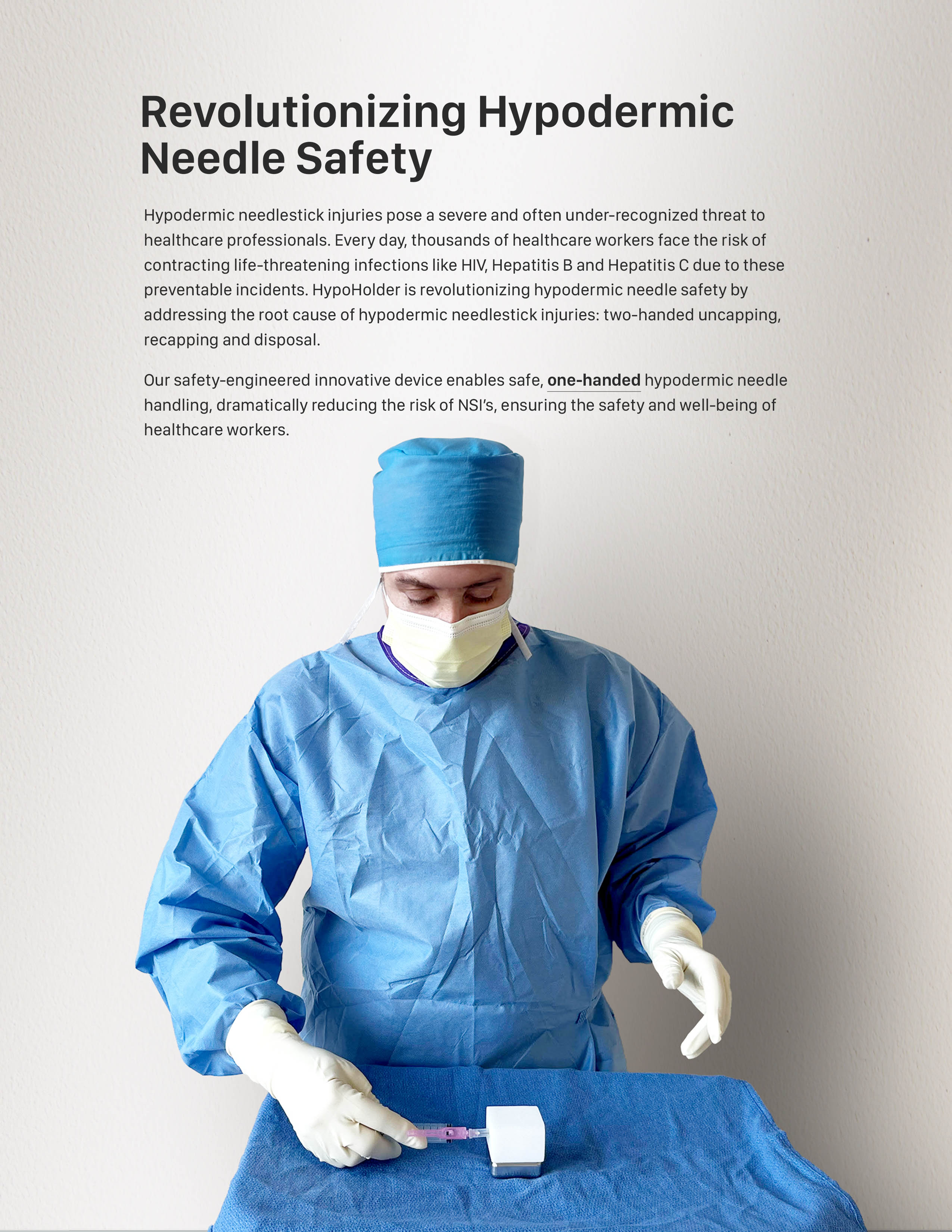
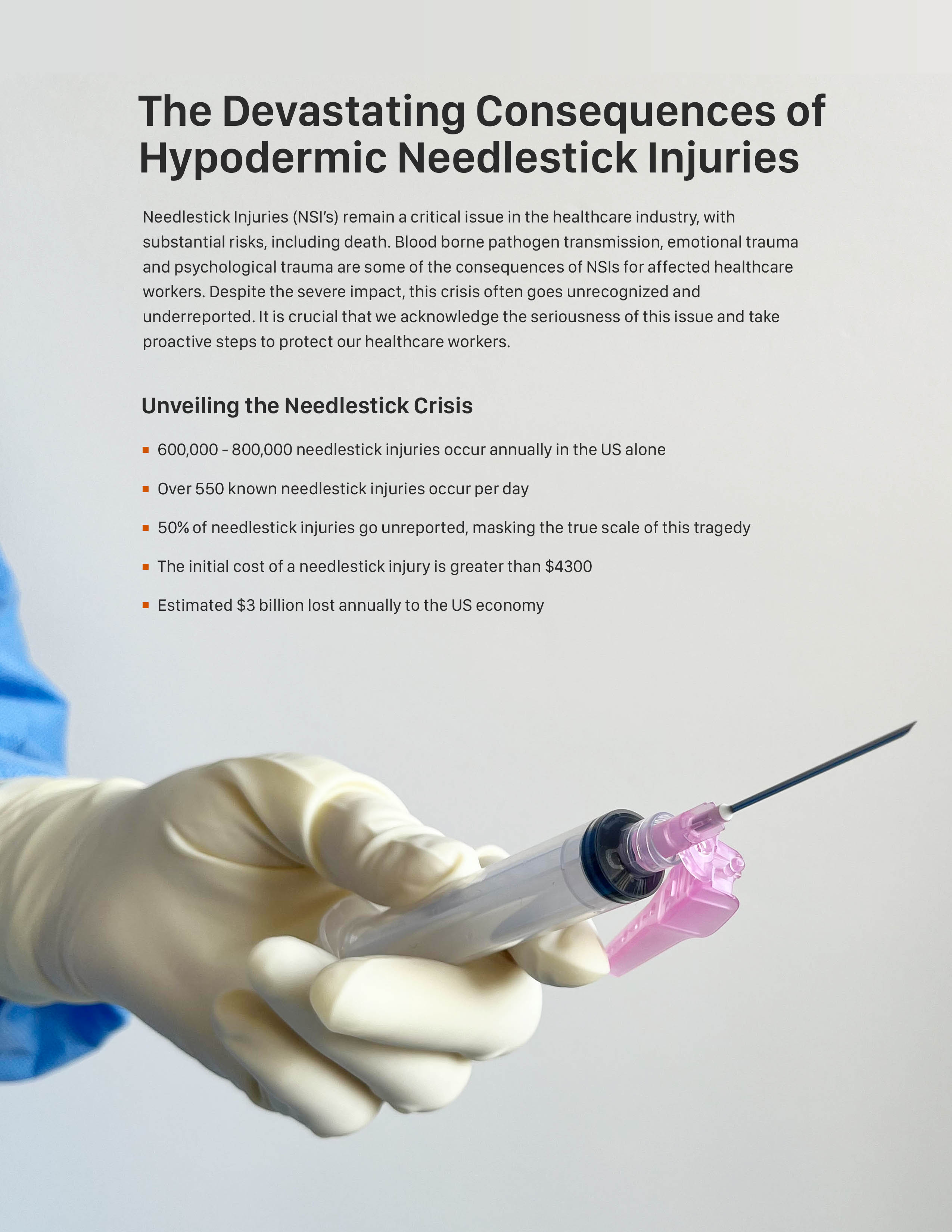
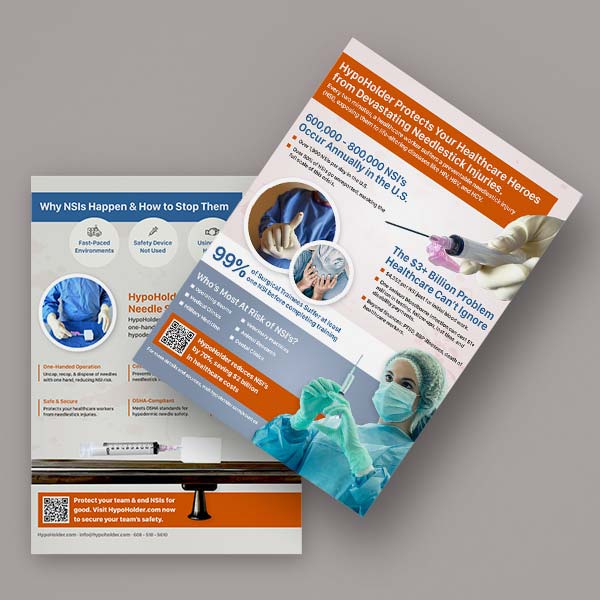
A medical device sells in part on what it looks like in use. Stock photography of operating rooms with placeholder products in placeholder hands doesn't sell to hospital procurement officers or to investors — both audiences know the difference between staged and real, and the gap reads as inauthentic the moment they see the materials. We organized a custom photo shoot inside an active hospital, with clinical staff using the product in a real operating environment, and built the company's entire imagery library from that single production.
The organizational work behind the shoot is its own piece of evidence. Hospital access for commercial photography requires coordination with clinical leadership, compliance with infection-control protocols, scheduling that doesn't disrupt active patient care, and on-site direction that holds the confidence of clinicians who don't normally work with creative teams. We ran all of it — vendor selection, scheduling, location logistics, clinical talent direction, shot list.
The output became the imagery library every customer-facing surface draws from. Sales brochures, the website, trade show banners, value analysis documents, investor pitch decks, social content. One look, one credibility level, one company across every surface a hospital buyer or capital allocator sees.
The effect showed up in both sales and capital directions. On the sales side, hospital buyers recognized the environment as their own, moving conversations past credibility checks and into workflow fit. On the investor side, the imagery validated clinical proximity before the deck opened.
The Outcome
invented by Keeks, designed and brought to market.
filed, Keeks named as co-inventors.
substantial equity in the company.
HypoHolder went to market with a product we invented, a patent we filed, and an operational infrastructure built to scale. The partnership restructuring captures the reality of what was built — a company we run alongside the founder, not a scope we deliver to her. Keeks continues as co-founder and partner as HypoHolder scales.


For founders preparing to raise, launch or scale.
Named operators. Weekly cadences. Engagements that compound, not transactions that close. We start with where the company is, what has shipped, what is breaking, and what the next 90 days have to produce.
Embedded operating partnership for founder-led companies.
San Diego, CA
Atlantic Beach, FL

