
We were hired to produce a monthly newsletter. Over 2 years, we built the brand, designed the website, ran the advertising, produced the event materials, and held the system together across departments. We were the hospital's marketing function.
Alvarado Hospital is an acute-care hospital in San Diego, California. The partnership demonstrates the scope-expansion pattern central to the embedded operating partner model, applied here to an institutional client across an unusually long tenure. The engagement began as a single recurring deliverable: a monthly newsletter. The relationship expanded. Over 2 years, what started as a newsletter grew to cover brand creation, the marketing website, print and digital advertising, event materials, patient-facing collateral, and the governance layer that held the brand together across the hospital's departments. Keeks operated as the embedded creative and operational layer for everything the public saw.
- Brand Creation & Identity
- Logo Design
- Marketing
- Website Design & Development
- Newsletter Production (Monthly)
- Print & Digital Advertising
- Event Materials
- Brand Governance
- Creative Direction
The Engagement
The engagement started with the smallest possible deliverable: a logo. Kapixi's founder came to us for logo design — a single discrete piece of work, the kind of project most agencies treat as a transaction and most clients move on from once delivered.
We delivered, and the founder recognized that the operational layer of a company being built from scratch would benefit from sustained partnership rather than continuously reassembled vendors. The scope expanded.
By the end of the engagement's first arc, Keeks had built the brand the company would carry, designed the platform interface users would interact with, designed the mobile app, built the marketing site, produced the investment materials supporting the fundraising process, and provided ongoing strategic counsel through every stage of the launch.
This is the scope-expansion pattern that defines the embedded operating partner model. A founder hires us for one thing, sees the depth of what's possible when an outside partner operates as part of the company instead of as a vendor to it, and pulls more of the operating layer into the partnership. The chapters that follow describe what that produced for Kapixi.
What We Ran
Brand and identityThe logo, the identity system, the voice. Built once at the rebrand and held consistent across every application that followed.
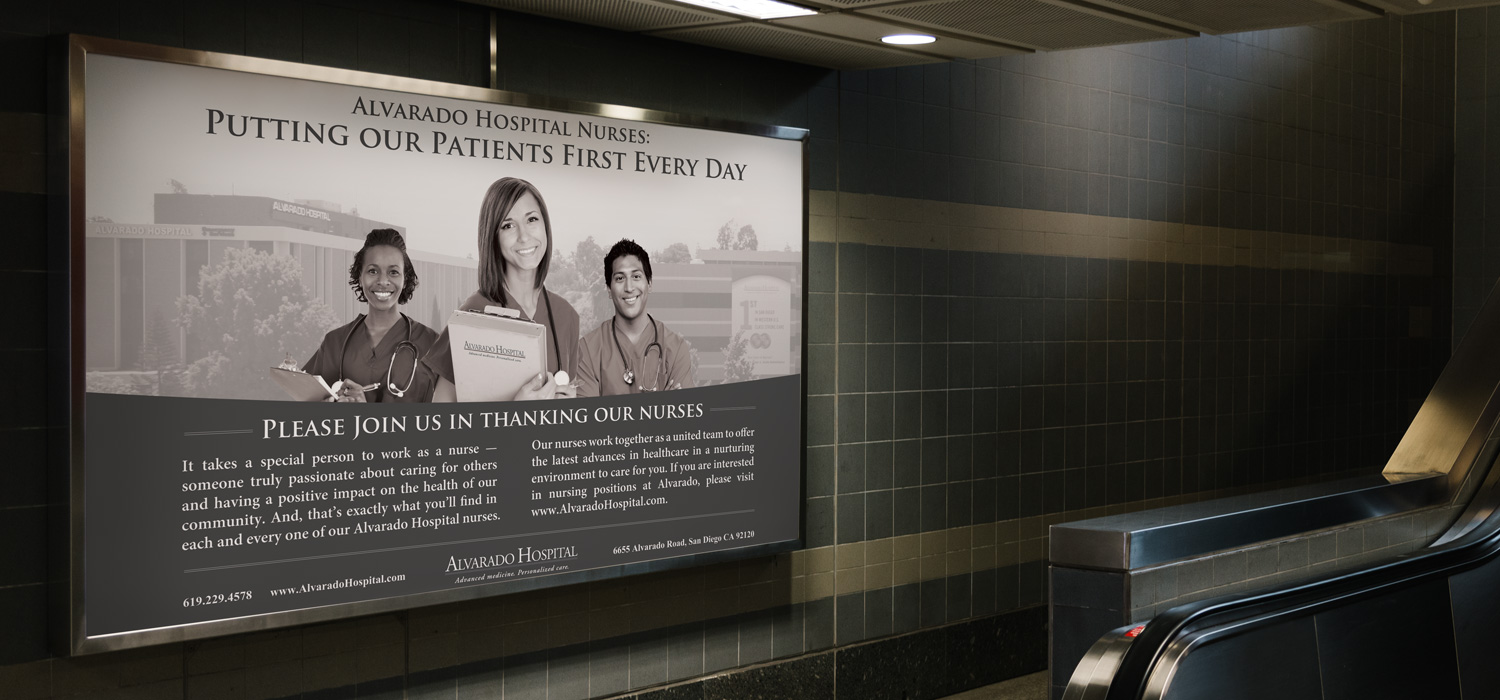
Marketing and advertisingPrint and digital advertising, campaign materials, paid placements, and the supporting creative that carried the hospital's communication to patients and prospective patients across San Diego.
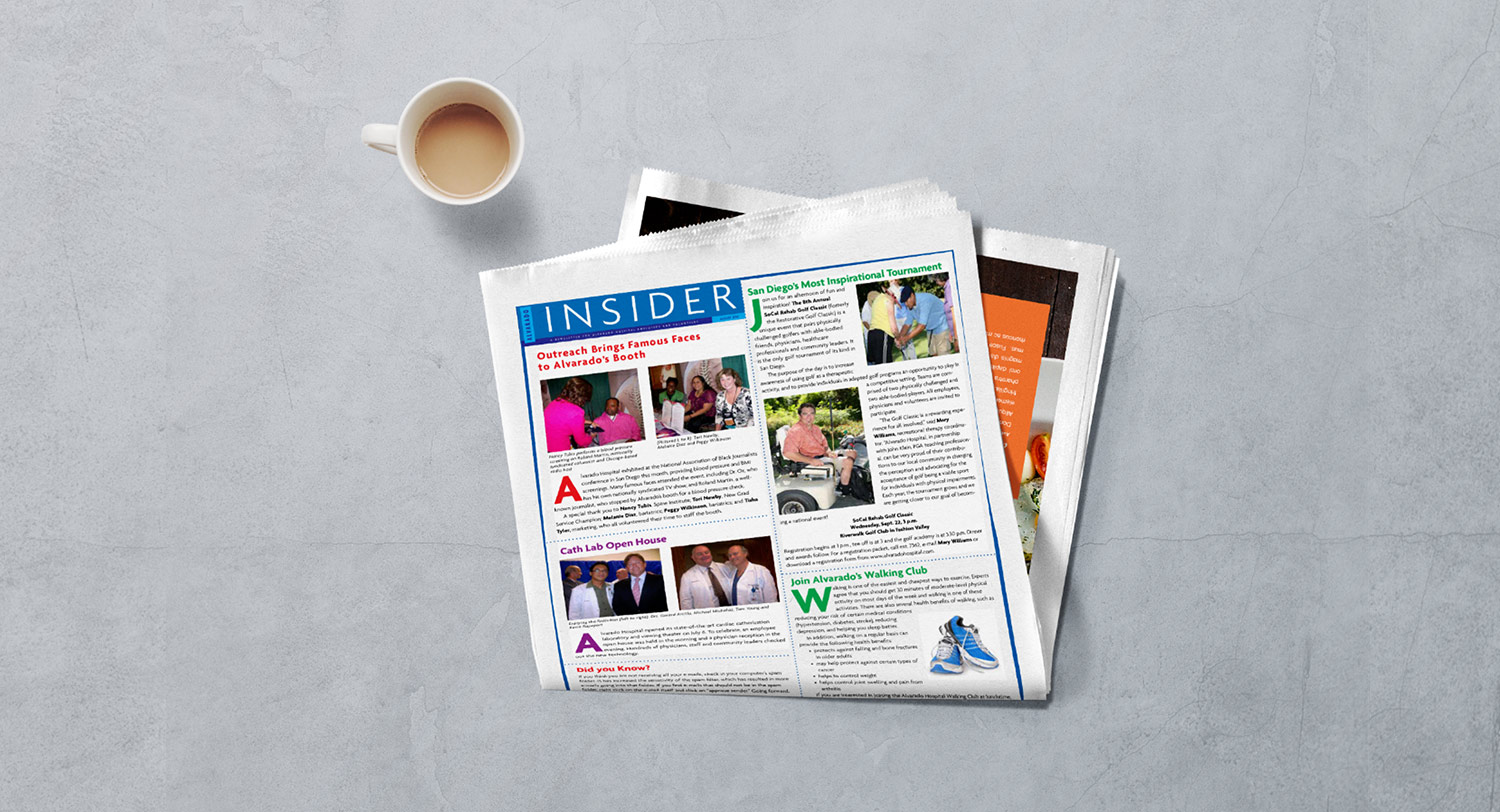
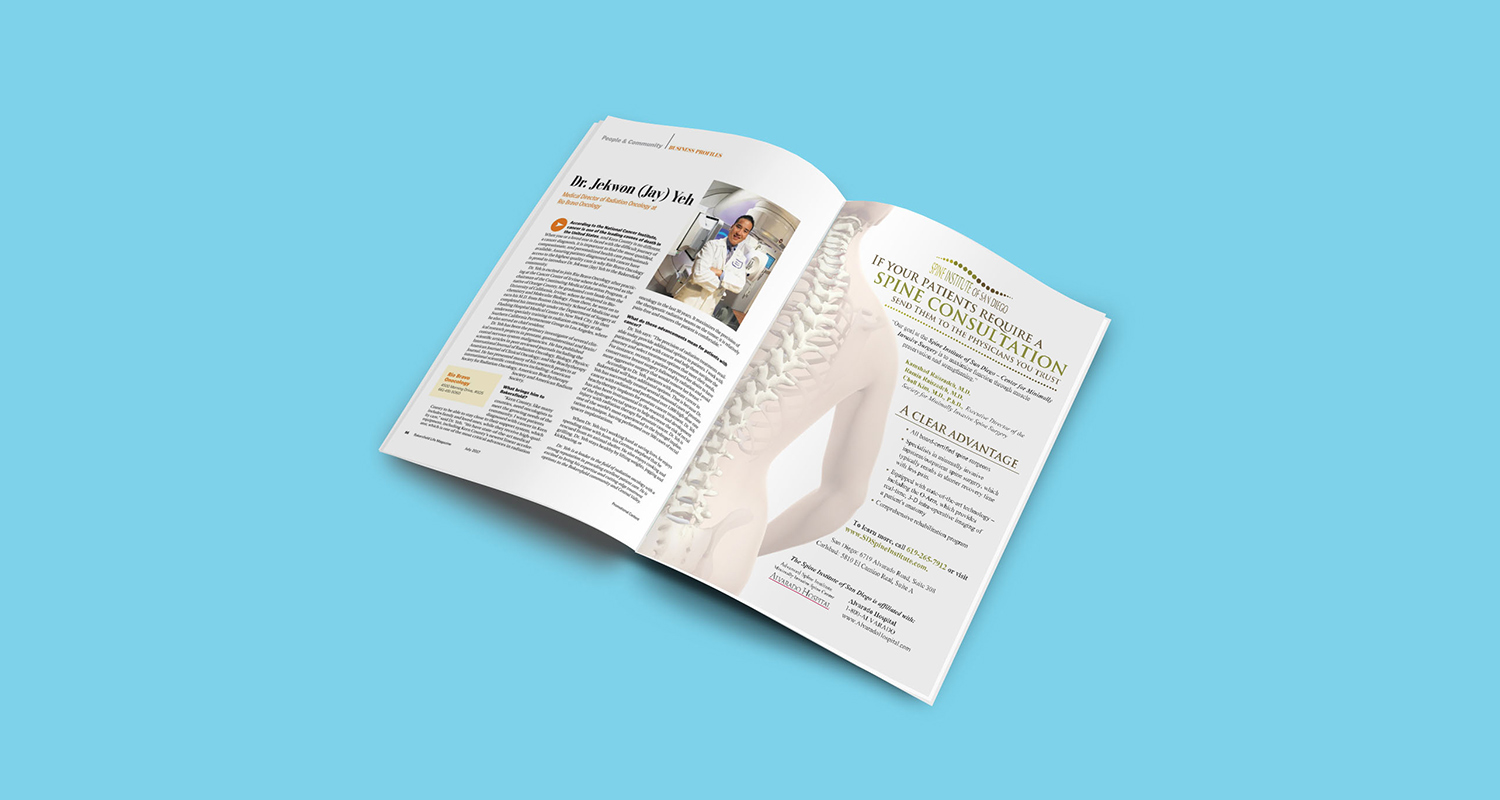
The NewsletterThe monthly publication that initiated the engagement, produced every month over 2 years. Content selection, design, production, and distribution all ran inside the partnership.
WebsiteDesign and development of the marketing site - the hospital's primary digital surface for patients, prospective patients, and the community.
Event materialsThe supporting creative for hospital-hosted events: community outreach, fundraising, staff recognition, and the recurring institutional occasions that mark a hospital's relationship with its city.
Brand ManagementThe governance layer that kept the brand consistent across departments, sub-vendors, and time.
What the hospital kept: clinical operations, executive decisions, patient relationships. Everything the public saw, we ran.

Brand & Creative
The brand had three audiences to land with: patients (the audience deciding where to go for care), clinicians (the audience the hospital was recruiting), and the community (the audience the hospital served as an institution). The identity system carried all three.
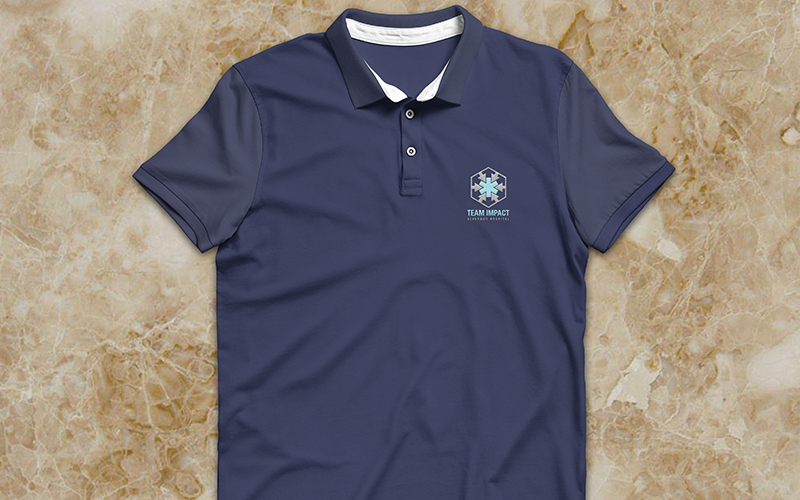
We built the brand from the logo outward - type system, color, hierarchy, voice - and applied it across every customer-facing surface the hospital touched.
The website carried the brand as the hospital's primary digital surface. Information architecture and content hierarchy calibrated to the visitor's actual decision: where do I go for the care I need, and is this the hospital I trust to provide it.
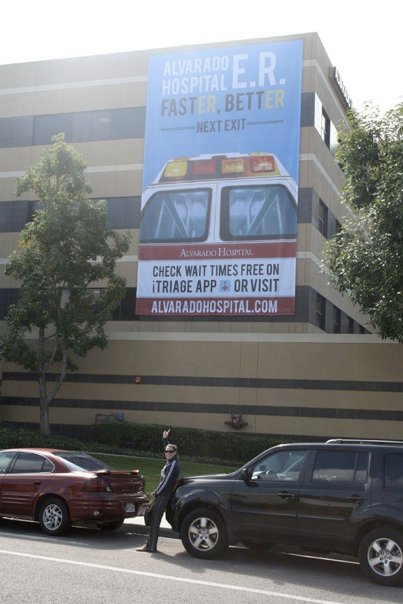
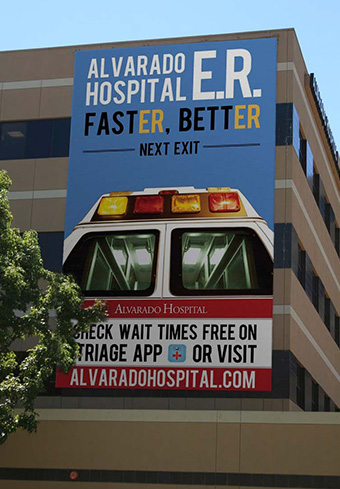
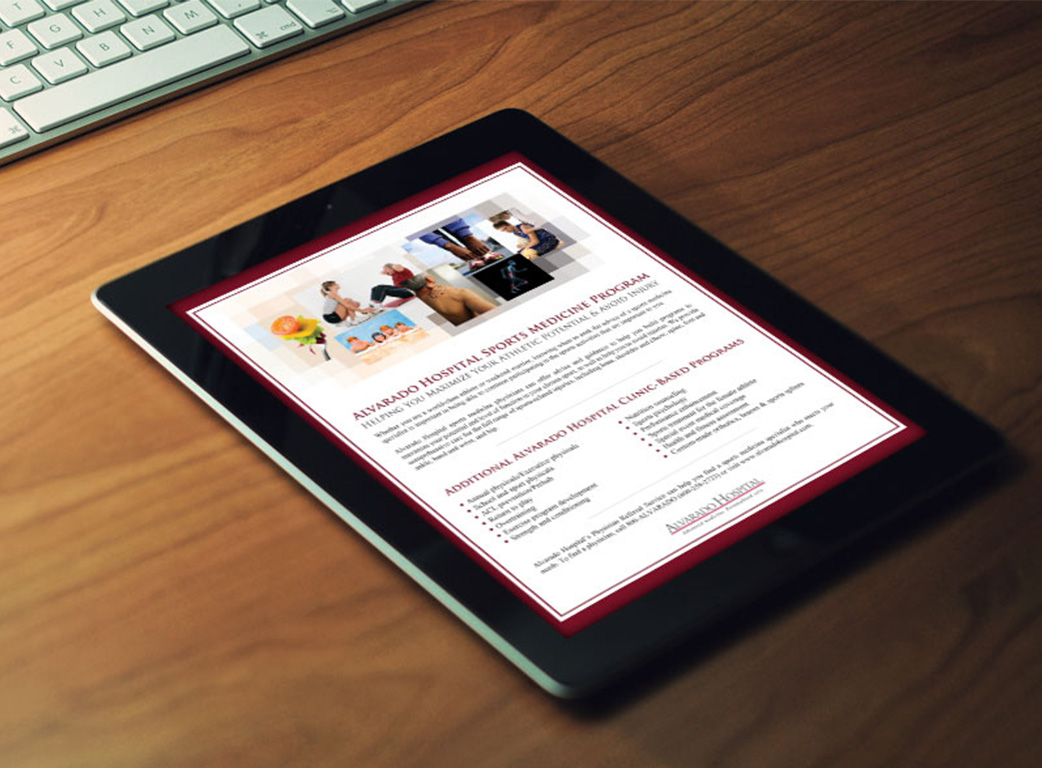
Print and digital advertising lived inside the same system as the newsletter, the website, the event materials, and the patient-facing collateral that moved through the hospital's physical locations. One brand, applied consistently across surfaces that traditionally drift apart in institutional environments where different departments hire different vendors.The marketing site was the brand's primary surface for the audiences who weren't yet inside the product. Information architecture, content hierarchy, and visual system calibrated to land the value proposition in the few seconds a first-time visitor gives a new platform before deciding whether to engage.

Brand Governance
A hospital brand lives or dies on what it looks like the tenth time someone in a different department needs a flyer for a different event. The first execution can be perfect. By the twentieth execution, drift sets in. Departments hire their own vendors. Marketing produces something one way, fundraising another, community outreach a third. The brand erodes from the inside.
We held the brand together over 2 years.
That meant a system that survived turnover. Templates departments could pull from without breaking the identity. Asset libraries that didn't require Keeks in the room for every small piece. Approval gates that caught drift before it shipped. Direct relationships with the internal teams who would actually use the materials, so the system was understood rather than merely imposed.
It also meant being the team that handled the work nobody else could fit into a project brief: the urgent event flyer, the last-minute press piece, the patient-facing handout for a new service line, the staff recognition program. The work that institutional clients normally absorb internally - often badly - ran through us instead.
The result was a brand that read consistently across [N years and N departments] and that an incoming marketing director could inherit without having to rebuild from scratch. That continuity is what most institutional brand engagements never produce.
Marketing & Outreach
A hospital's marketing function has to keep doing the work even when nothing dramatic is happening. The campaign that runs once a year is the easy part. The monthly newsletter, the event materials, the patient communications, the advertising that has to keep showing up in the San Diego market every quarter - that's the work most agencies don't want and most institutional marketing departments struggle to sustain.
We did it.
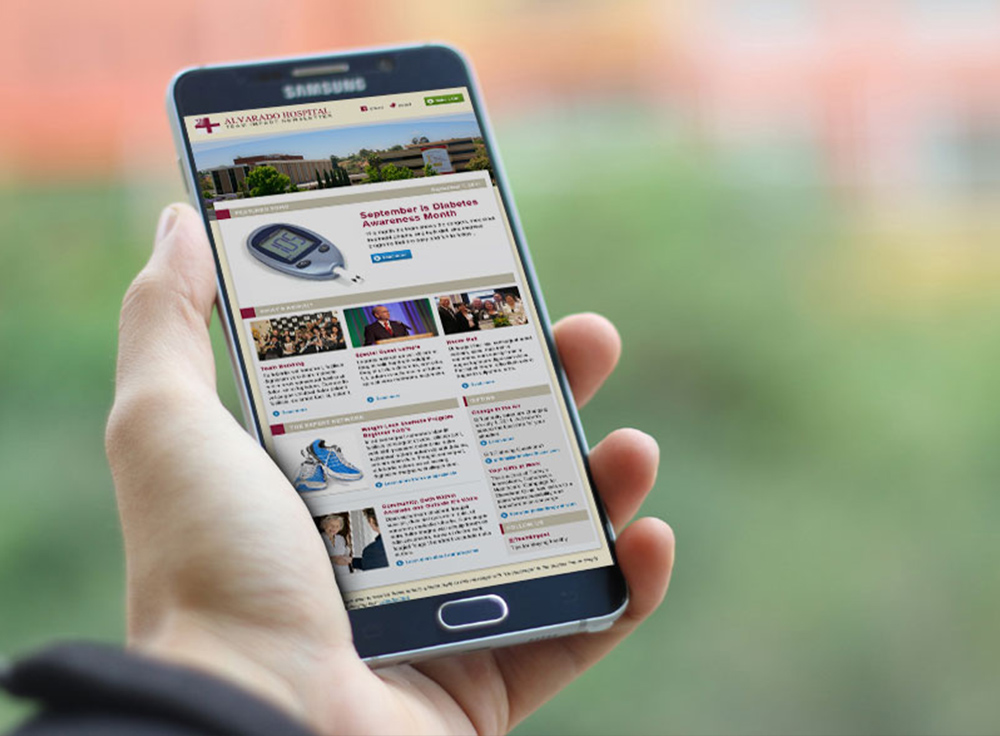
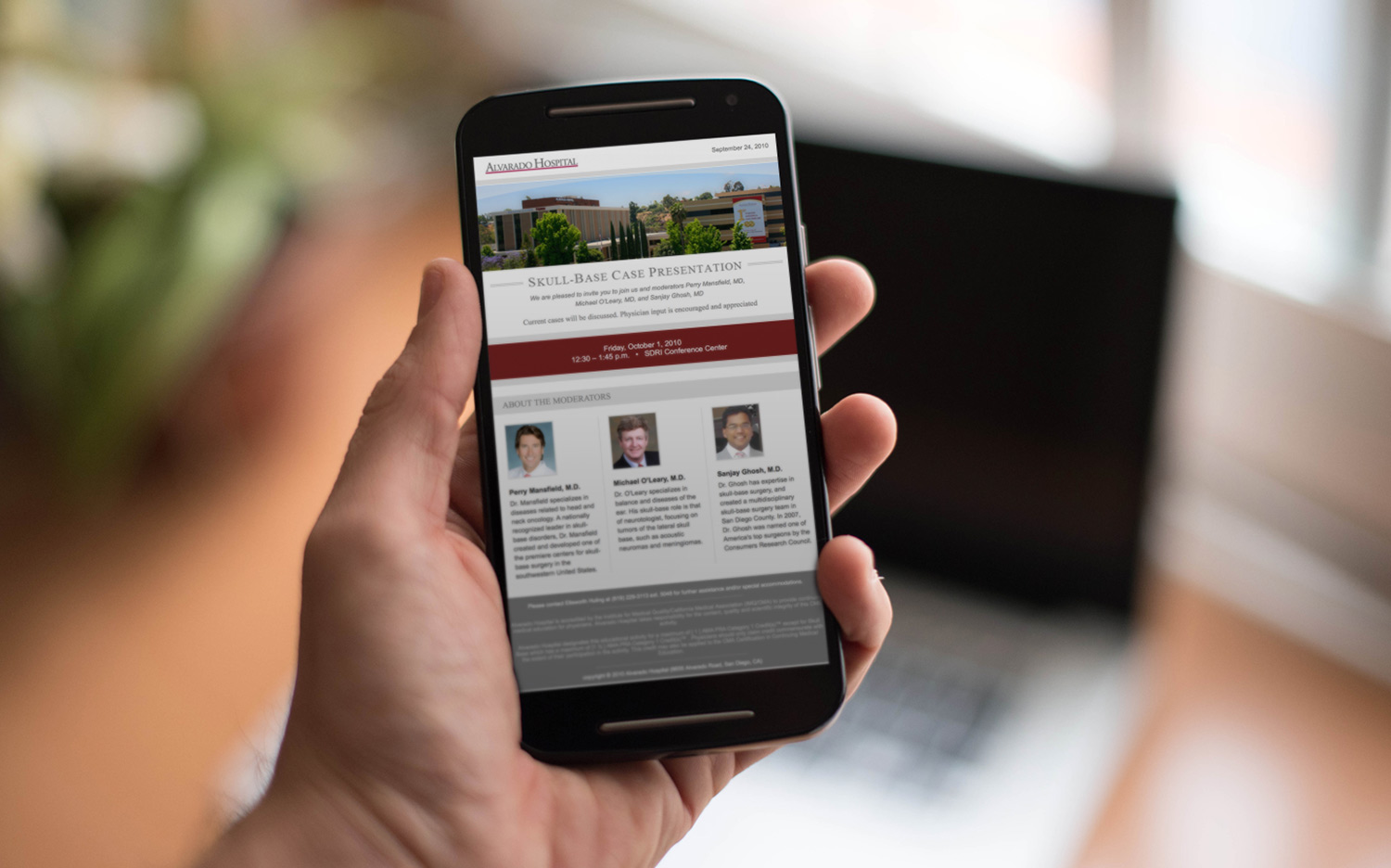
The monthly newsletter - the deliverable that initiated the engagement - kept running every month over 2 years. Content selection, editorial calendar, design, production, and distribution all moved through the partnership. The publication reached patients, donors, staff, and the broader community as one consistent voice across audiences that traditionally get fragmented messaging.
Print and digital advertising carried the hospital's brand into the San Diego market. Campaign materials and supporting creative for the moments when the hospital needed to land at scale - to introduce a service, to reposition an offering, to drive awareness in a specific neighborhood or demographic. Each campaign sat inside the same identity system as everything else, so the brand reinforced itself across every surface a patient or community member encountered.
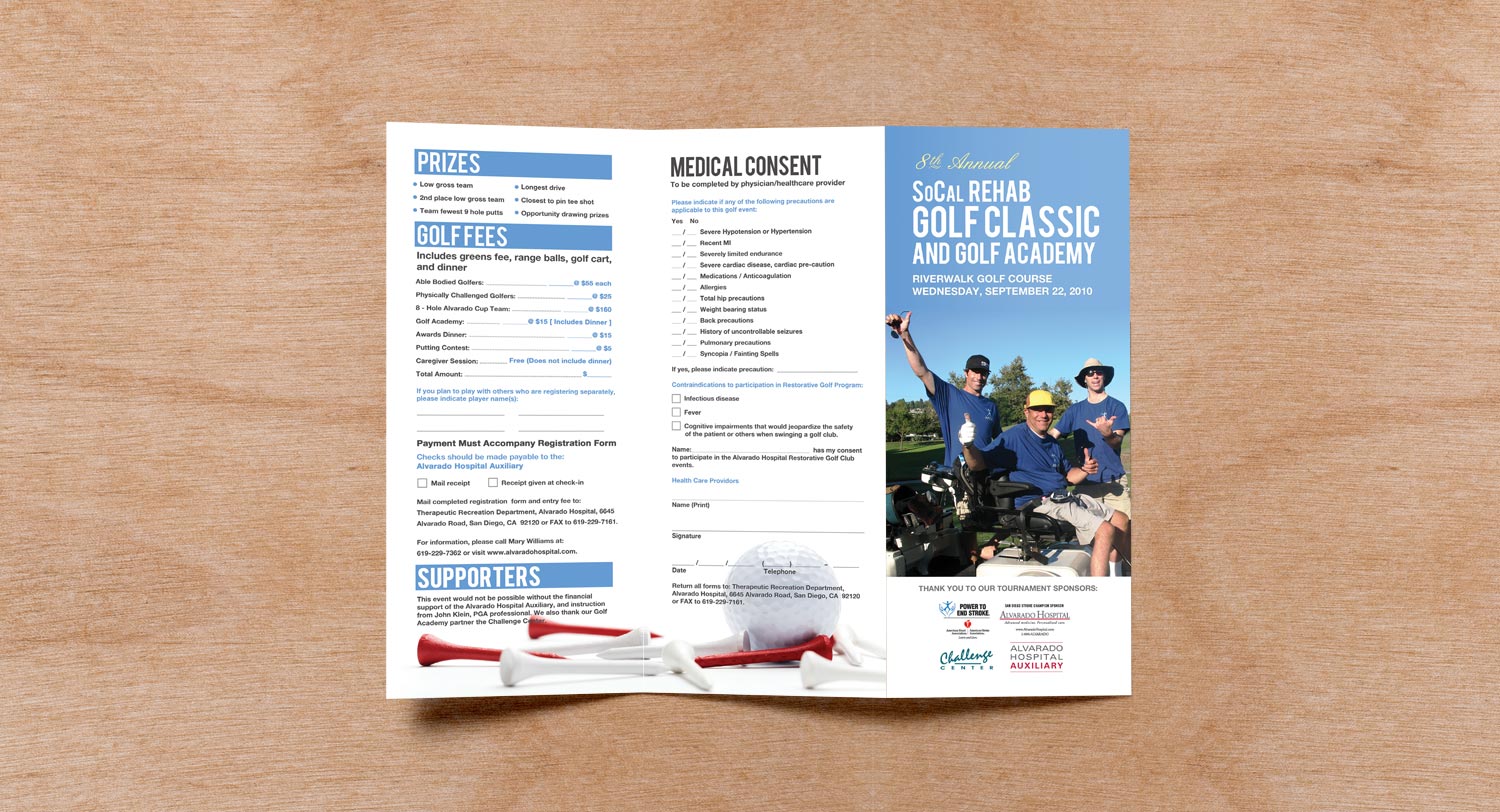
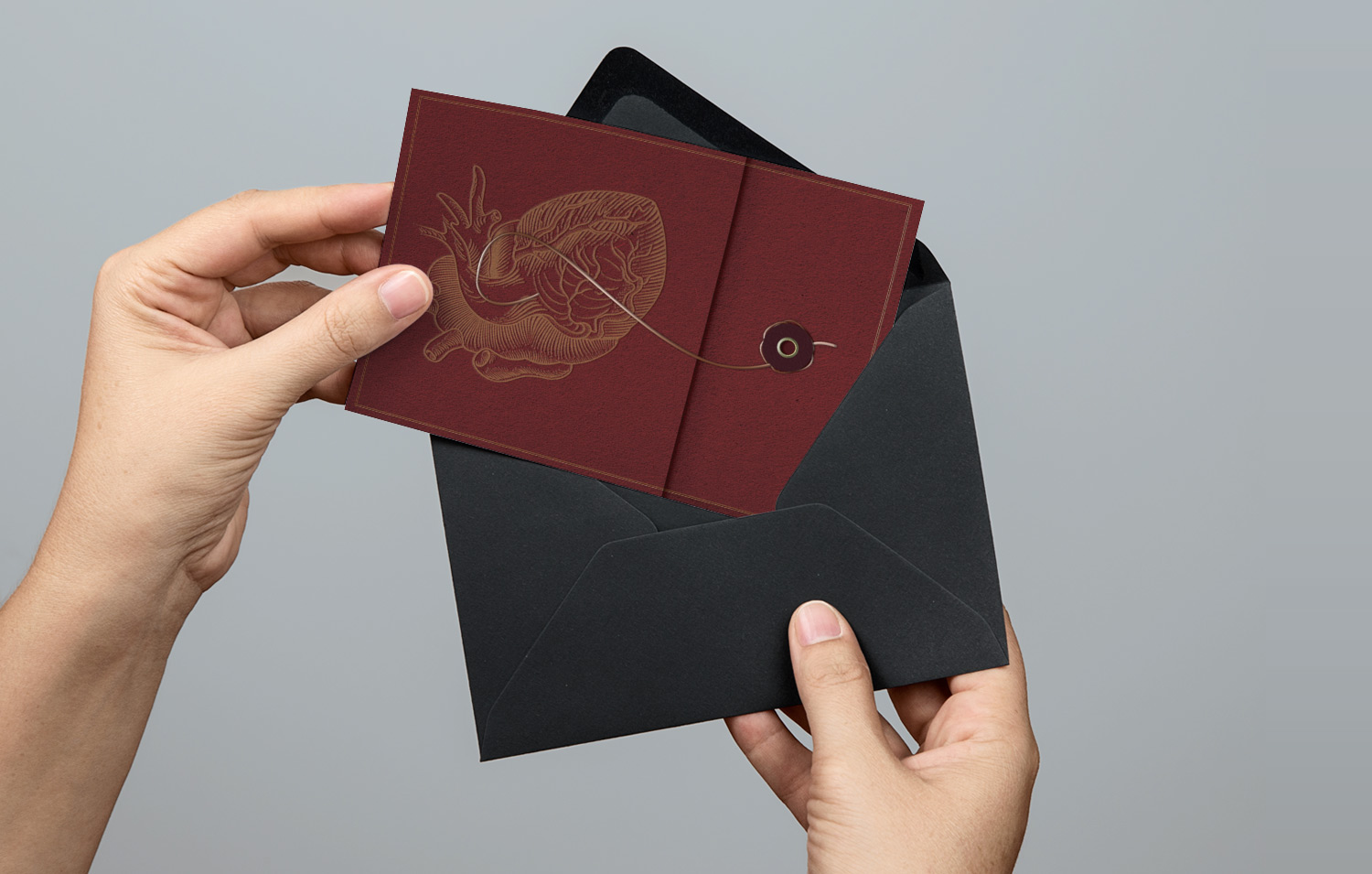
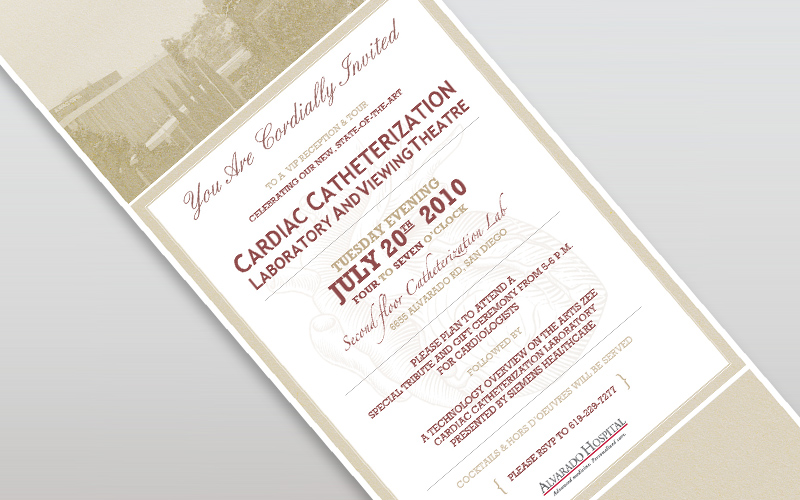
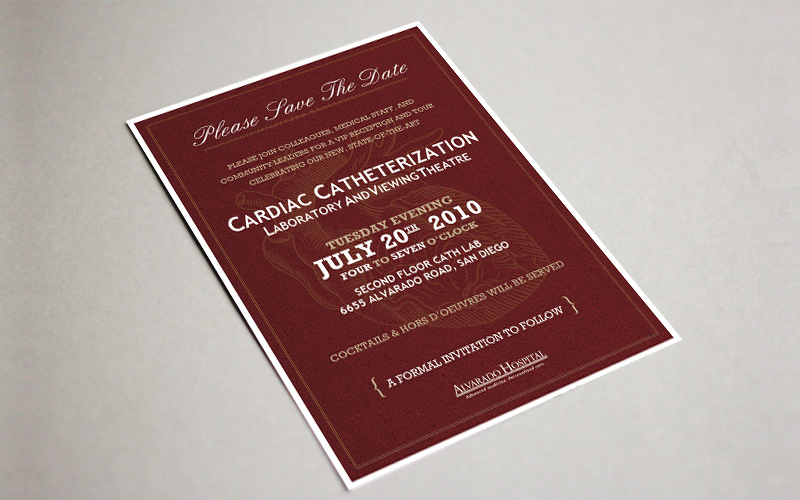
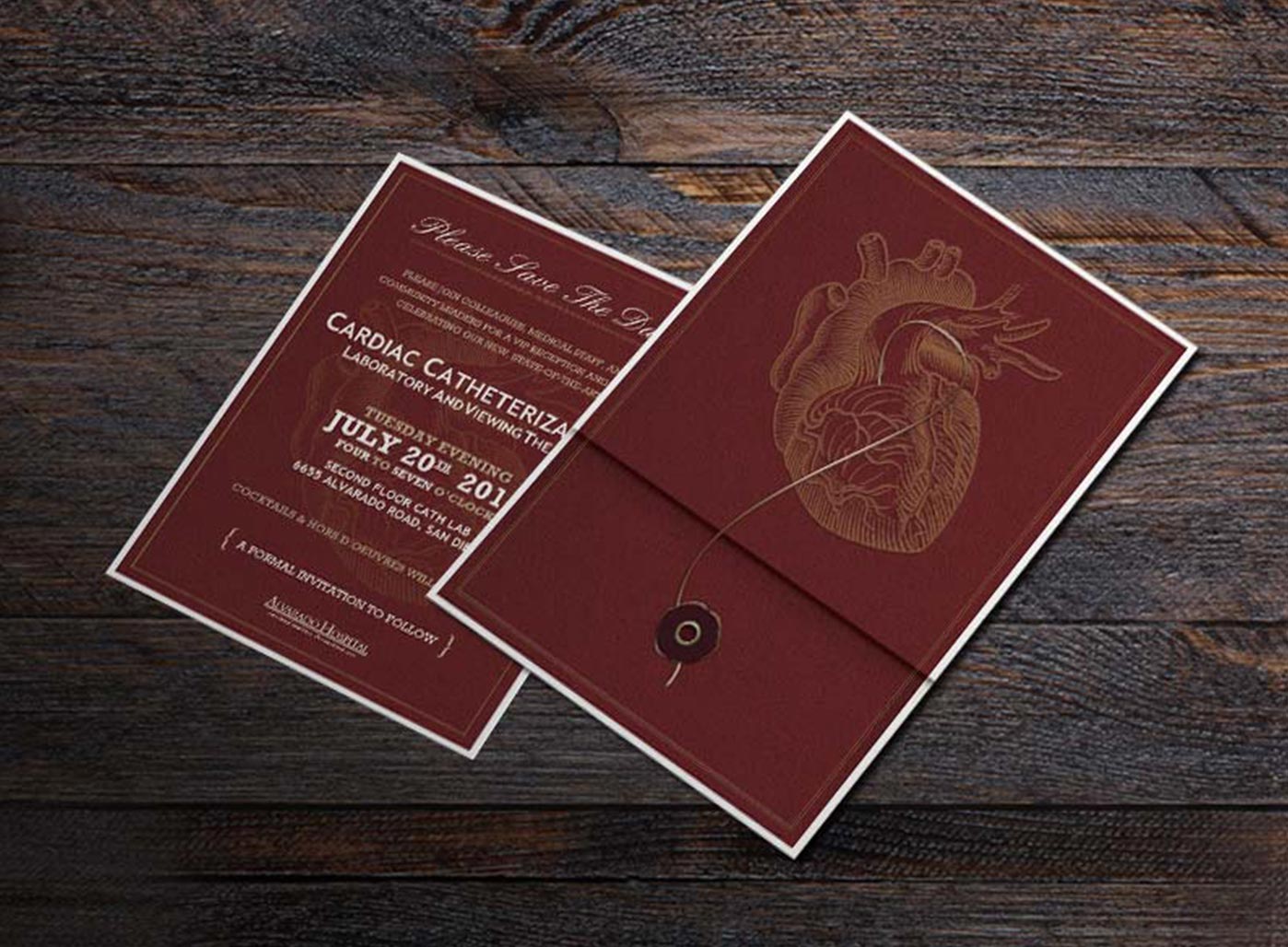
Event materials supported the calendar of hospital-hosted occasions: community outreach, recognition events, fundraising, and the institutional moments that mark a hospital's relationship with its city. Invitations, signage, programs, supporting collateral. The work of making each event read as part of the same institution rather than as standalone productions.
The Outcome
years sustained partnership across hospital leadership, departments, and the calendar of institutional work.
single recurring publication expanded to the marketing function for the hospital.
embedded as the hospital's continuous creative and operational layer rather than as a project vendor.
Over the engagement, Alvarado Hospital ran with a brand that held together across departments, time, and turnover; a marketing surface that produced consistent work without the institutional drift that erodes most hospital brands; and a partnership that operated more like an internal marketing function than a vendor relationship. The newsletter that started it kept running every month. The brand built at the rebrand kept reading the same across every application that followed.



For founders preparing to raise, launch or scale.
Named operators. Weekly cadences. Engagements that compound, not transactions that close. We start with where the company is, what has shipped, what is breaking, and what the next 90 days have to produce.
Embedded operating partnership for founder-led companies.
San Diego, CA
Atlantic Beach, FL

